Vil du gøre sidens indhold bedre? Foreslå en ændring.
Given its remote location and challenging weather conditions, Aniakchak is one of the most wild and least visited places in the National Park System. This landscape is a vibrant reminder of Alaska's location in the volcanically active "Ring of Fire," as it is home to an impressive six mile (10 km) wide, 2,500 ft (762 m) deep caldera formed during a massive volcanic eruption 3,500 years ago.
Where it is
National Monument & Preserve, AK.
What people do there
- Camping
- Backcountry Camping
- Climbing
- Mountain Climbing
- Flying
- Hiking
- Backcountry Hiking
- Paddling
- Whitewater Rafting
- Wildlife Watching
- Birdwatching
Getting there
Located on the Alaska Peninsula, 450 miles southwest of Anchorage, Aniakchak National Monument and Preserve is inaccessible by road. Notoriously bad weather makes access to Aniakchak unpredictable. Drop-offs and/or pick-ups may be significantly delayed.
Weather
When you visit, be prepared to encounter all types of weather. On average, wet and cool conditions predominate in spring, summer, and fall. Strong winds can delay the departure and arrival of boats and floatplanes.
Where this page came from
This page was imported from U.S. National Park Service. Material produced by the National Park Service is in the public domain.
Nobody has written it yet — it is the source material at a new address, which is why search engines are asked to skip it and why no one earns from it. It is up for grabs: take it on, and it is yours to rewrite and to earn from.
Licens: CC0 1.0 (offentligt eje) · Bearbejdet efter www.nps.gov
1
0
0
0

Kommentarer
Læs videre
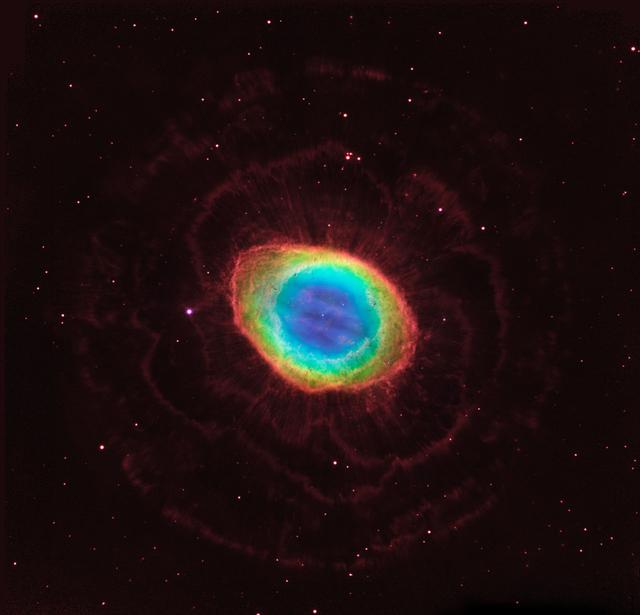
- Planetary NebulaThe Ring Nebula's distinctive shape makes it a popular illustration for astronomy books. But new observations by NASA's Hubble Space Telescope of the glowing gas shroud around an old, dying, sun-like star reveal a new twist. "The nebula is not like a bagel, but rather, it's like a jelly doughnut, be
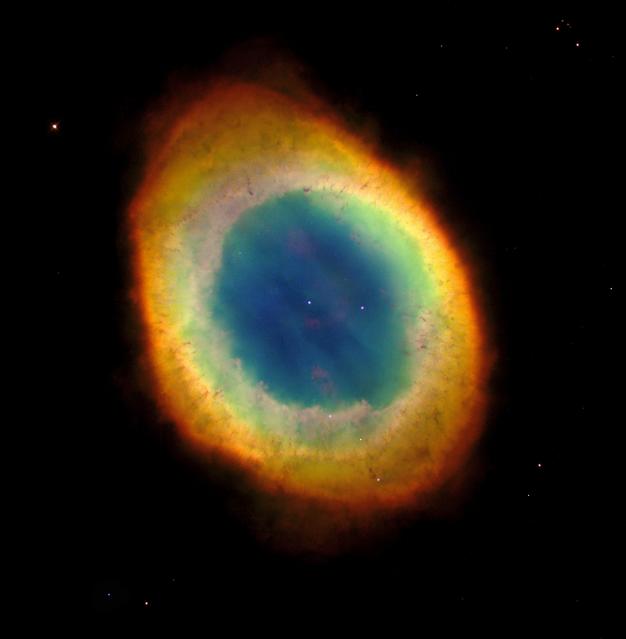
- Doradus NebulaA panoramic view of a vast, sculpted area of gas and dust where thousands of stars are being born has been captured by NASA's Hubble Space Telescope. The image, taken by Hubble's Wide Field and Planetary Camera 2, is online at The camera was designed and built by NASA's Jet Propulsion Laboratory, Pa
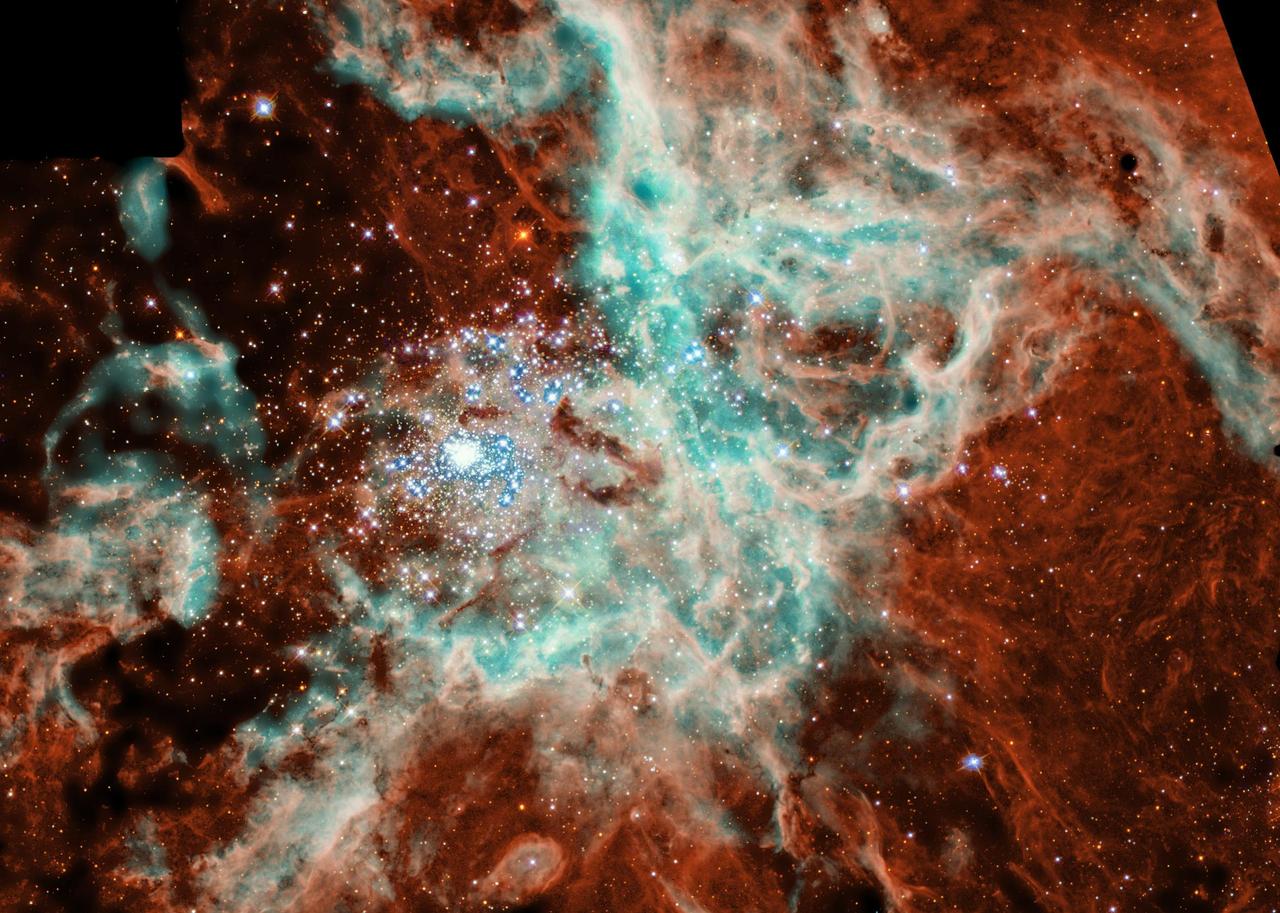
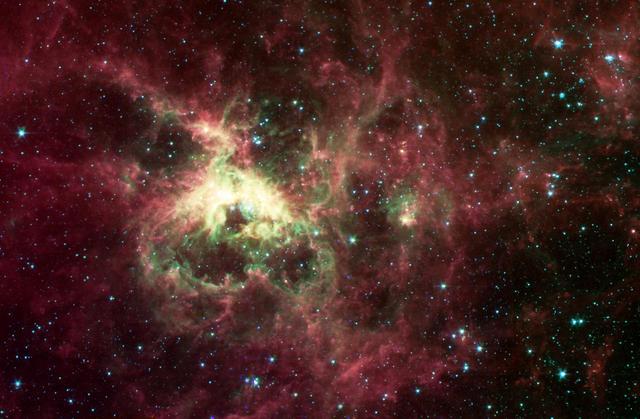
- The Tarantula NebulaNASA Spitzer Space Telescope, formerly known as the Space Infrared Telescope Facility, has captured in stunning detail the spidery filaments and newborn stars of theTarantula Nebula, a rich star-forming region also known as 30 Doradus. This cloud of glowing dust and gas is located in the Large Magel