Adverse Childhood Experiences (ACEs)
Preventing early trauma to improve adult health


1 in 6 adults experienced four or more types of ACEs.

At least 5 of the top 10 leading causes of death are associated with ACEs.


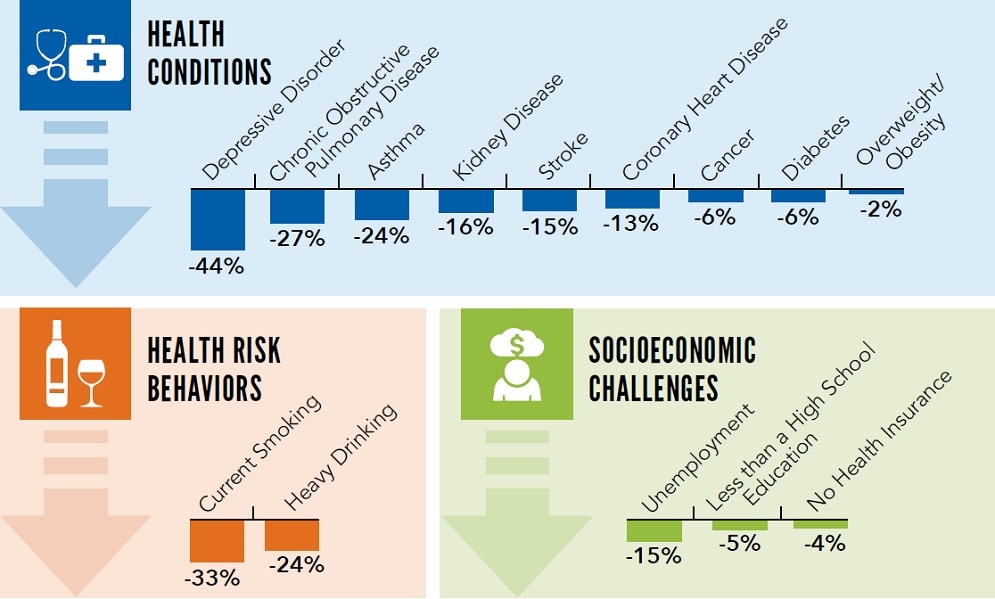
Preventing ACEs could reduce the number of adults with depression by as much as 44%.
Highlights this Issue
JAMA Viewpoint – Identifying and Preventing Adverse Childhood Experiences: Implications for Clinical Practice
Can preventing childhood trauma improve adult health? November 2019, Vital Signs
View Transcript Low Resolution Video
Overview
Adverse Childhood Experiences (ACEs) are potentially traumatic events that occur in childhood. ACEs can include violence, abuse, and growing up in a family with mental health or substance use problems. Toxic stress from ACEs can change brain development and affect how the body responds to stress. ACEs are linked to chronic health problems, mental illness, and substance misuse in adulthood. However, ACEs can be prevented.
Preventing ACEs can help children and adults thrive and potentially:
- Lower risk for conditions like depression, asthma, cancer, and diabetes in adulthood.
- Reduce risky behaviors like smoking and heavy drinking.
- Improve education and employment potential.
- Stop ACEs from being passed from one generation to the next.
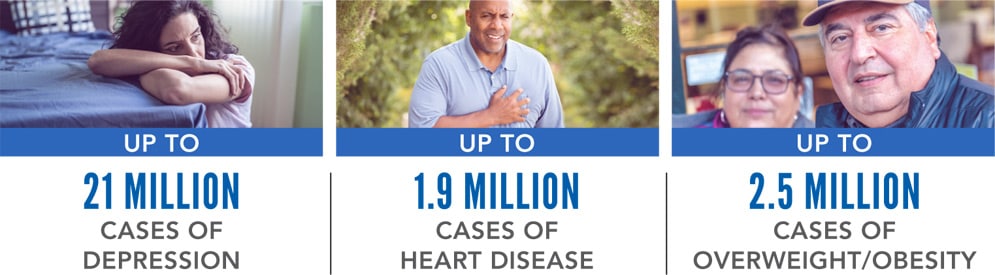
Preventing ACEs could reduce a large number of health conditions.

Close
Download Image[JPG]
SOURCE: National Estimates based on 2017 BRFSS; Vital Signs, MMWR November 2019.
Potential reduction of negative outcomes in adulthood

Close
Download Image[JPG]
SOURCE: BRFSS 2015-2017, 25 states, CDC Vital Signs, November 2019.
Problem
ACEs are common and the effects can add up over time.
- 61% of adults had at least one ACE and 16% had 4 or more types of ACEs.
- Females and several racial/ethnic minority groups were at greater risk for experiencing 4 or more ACEs.
- Many people do not realize that exposure to ACEs is associated with increased risk for health problems across the lifespan.
The Way Forward
Healthcare Providers Can:
- Anticipate and recognize current risk for ACEs in children and history of ACEs in adults. Refer patients to effective services and support.
- Link adults to family-centered treatment approaches that include substance abuse treatment and parenting interventions.
Employers Can:
- Adopt and support family-friendly policies, such as paid family leave and flexible work schedules.
States and Communities Can:
- Improve access to high-quality childcare by expanding eligibility, activities offered, and family involvement.
- Use effective social and economic supports that address financial hardship and other conditions that put families at risk for ACEs.
- Enhance connections to caring adults and increase parents’ and youth skills to manage emotions and conflicts using approaches in schools and other settings.
Everyone Can:
- Recognize challenges that families face and offer support and encouragement to reduce stress.
- Support community programs and policies that provide safe and healthy conditions for all children and families. Preventing Adverse Childhood Experiences (ACEs): Leveraging the Best Available Evidence
Raising awareness about ACEs can help:

- Change how people think about the causes of ACEs and who could help prevent them.
- Shift the focus from individual responsibility to community solutions.
- Reduce stigma around seeking help with parenting challenges or for substance misuse, depression, or suicidal thoughts.
- Promote safe, stable, nurturing relationships and environments where children live, learn, and play.
Issue Details
Related Pages and Resources
- Vital Signs: Press Release – Cómo prevenir las experiencias adversas en la niñez (ACE) para mejorar la salud en los EE. UU. [Spanish]
- Morbidity and Mortality Weekly Report (MMWR): Vital Signs: Estimated Proportion of Adult Health Problems Attributable to Adverse Childhood Experiences and Implications for Prevention — 25 States, 2015–2017
- CDC’s Adverse Childhood Experiences
- CDC’s Behavioral Risk Factor Surveillance System
- CDC’s Division of Adolescent and School Health
- ACE Journal Articles by Topic Area
- CDC Essentials for Childhood
- CDC’s Technical Packages to Prevent Violence
- CDC’s Preventing Adverse Childhood Experiences (ACEs): Leveraging the Best Available Evidence
- CDC’s Essentials for Parenting
- CDC’s Health Impact in 5 Years: Earned Income Tax Credits
Resources:
- Preventing Adverse Childhood Experiences Training
- ACE Study Infographic
- ACEs Snapshot
- Connecting the Dots
- Violence Prevention in Practice
- Making the Case: Engaging Businesses
- Boost Your Competitive Edge: Actions for a Healthy, Productive Workforce [5.3 MB, 12 pages]
- We Can Prevent ACEs Video
Other Sites
- American Academy of Pediatrics
- American Psychological Association
- Prevent Child Abuse America
- Association of State and Territorial Health Officials
- PACEs Connection
Science Behind the Issue
For More Information
1-800-CDC-INFO (232-4636)
TTY: 1-888-232-6348
Web: www.cdc.gov
Centers for Disease Control and Prevention
1600 Clifton Road NE
Atlanta, GA 30333
Publication date: November 5, 2019
Content provided and maintained by the US Centers for Disease Control and Prevention (CDC). Please see our system usage guidelines and disclaimer.
Where this page came from
This page was imported from Centers for Disease Control and Prevention. Material produced by the Centers for Disease Control and Prevention is a work of the United States government and is in the public domain.
Nobody has written it yet — it is the source material at a new address, which is why search engines are asked to skip it and why no one earns from it. It is up for grabs: take it on, and it is yours to rewrite and to earn from.
Licence: CC0 1.0 (public domain) · Adapted from www.cdc.gov
1
0
0
0

Comments