¿Quieres mejorar el contenido de la página? Propón un cambio.
Within sight of Miami, yet worlds away, Biscayne protects a rare combination of aquamarine waters, emerald islands, and fish-bejeweled coral reefs. Evidence of 10,000 years of human history is here too; from prehistoric tribes to shipwrecks, and pineapple farmers to presidents. For many, the park is a boating, fishing, and diving destination, while others enjoy a warm breeze and peaceful scenery.
Where it is
National Park, FL.
What people do there
- Boating
- Motorized Boating
- Sailing
- Boat Tour
- Camping
- Fishing
- Guided Tours
- Boat Tour
- Paddling
- Canoeing
- Kayaking
- Stand Up Paddleboarding
Getting there
The Dante Fascell Visitor Center may be reached from the Florida Turnpike by taking Exit 6 (Speedway Boulevard). Turn left from exit ramp and continue south to SW 328th Street (North Canal Drive). Turn left on 328th Street and continue for four miles to the end of the road. The park entrance is on the left just before the entrance to Homestead Bayfront Marina.
Weather
The park is situated in a subtropical climate, which ensures sunshine year-round. Winters are normally dry and mild, with occasional fronts bringing wind and little rain. Summer brings hot and humid weather with scattered thunderstorms in the afternoons. The average temperature in January is 68 degrees Fahrenheit and 82 in July. The average rainfall for the area is 2.17 inches in January and 3.95 inches in July. June to November is hurricane season.
Where this page came from
This page was imported from U.S. National Park Service. Material produced by the National Park Service is in the public domain.
Nobody has written it yet — it is the source material at a new address, which is why search engines are asked to skip it and why no one earns from it. It is up for grabs: take it on, and it is yours to rewrite and to earn from.
Licencia: CC0 1.0 (dominio público) · Adaptado de www.nps.gov
1
0
0
0

Comentarios
Sigue leyendo
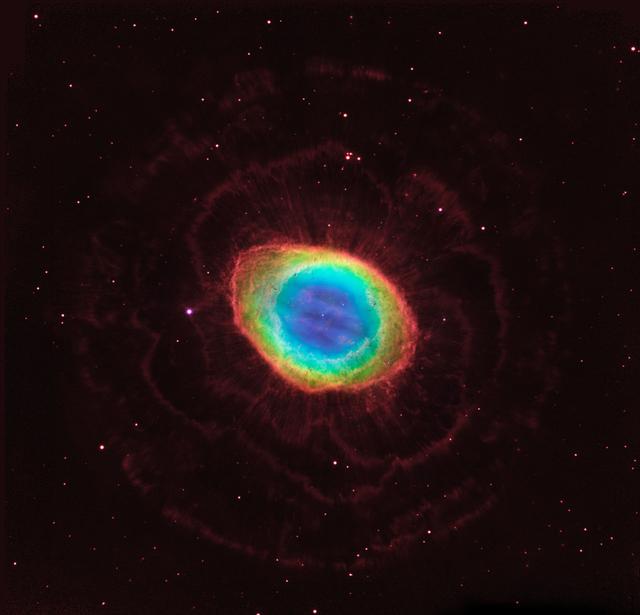
- Planetary NebulaThe Ring Nebula's distinctive shape makes it a popular illustration for astronomy books. But new observations by NASA's Hubble Space Telescope of the glowing gas shroud around an old, dying, sun-like star reveal a new twist. "The nebula is not like a bagel, but rather, it's like a jelly doughnut, be

- Doradus NebulaA panoramic view of a vast, sculpted area of gas and dust where thousands of stars are being born has been captured by NASA's Hubble Space Telescope. The image, taken by Hubble's Wide Field and Planetary Camera 2, is online at The camera was designed and built by NASA's Jet Propulsion Laboratory, Pa
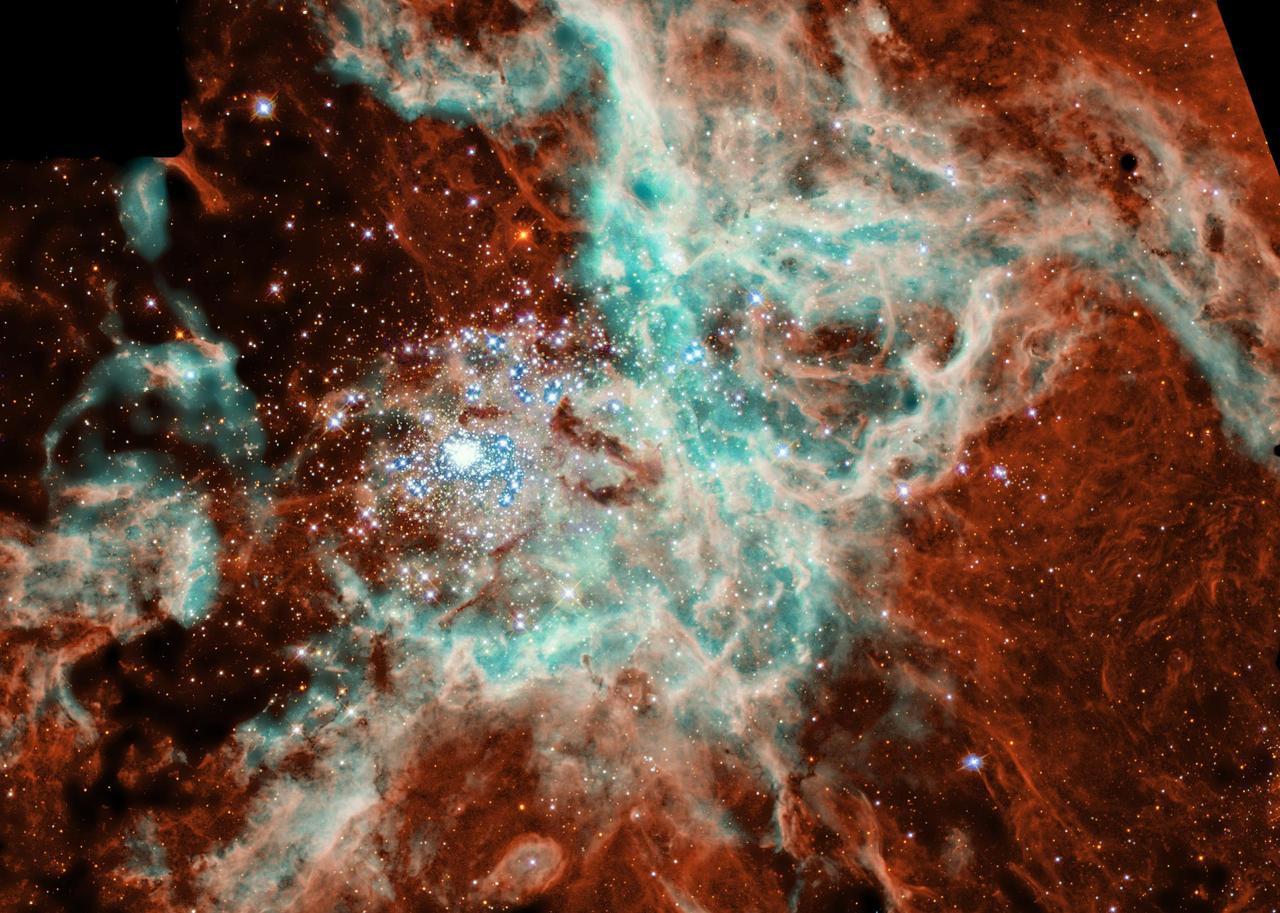
- The Tarantula NebulaNASA Spitzer Space Telescope, formerly known as the Space Infrared Telescope Facility, has captured in stunning detail the spidery filaments and newborn stars of theTarantula Nebula, a rich star-forming region also known as 30 Doradus. This cloud of glowing dust and gas is located in the Large Magel