¿Quieres mejorar el contenido de la página? Propón un cambio.
Updated Sept. 29, 2023 |
1 in 5
About 20% of women reported mistreatment while receiving maternity care.
1 in 3
About 30% of Black, Hispanic, and multiracial women reported mistreatment.
45%
Almost half (45%) of women held back from asking questions or sharing concerns during their maternity care.
Every mom deserves respectful and responsive care during pregnancy and delivery
Maternal death rates in the U.S. rose from 2018 to 2021.1 More than 80% of pregnancy-related deaths are preventable.2 Native Hawaiian and Pacific Islander, Black, and American Indian and Alaska Native women have the highest rates of pregnancy-related death.2
Women from some racial and ethnic minority groups are also more likely to have negative healthcare experiences during pregnancy and delivery that impact the quality of care and health outcomes.3
Survey finds clear disparities in mistreatment during maternity care
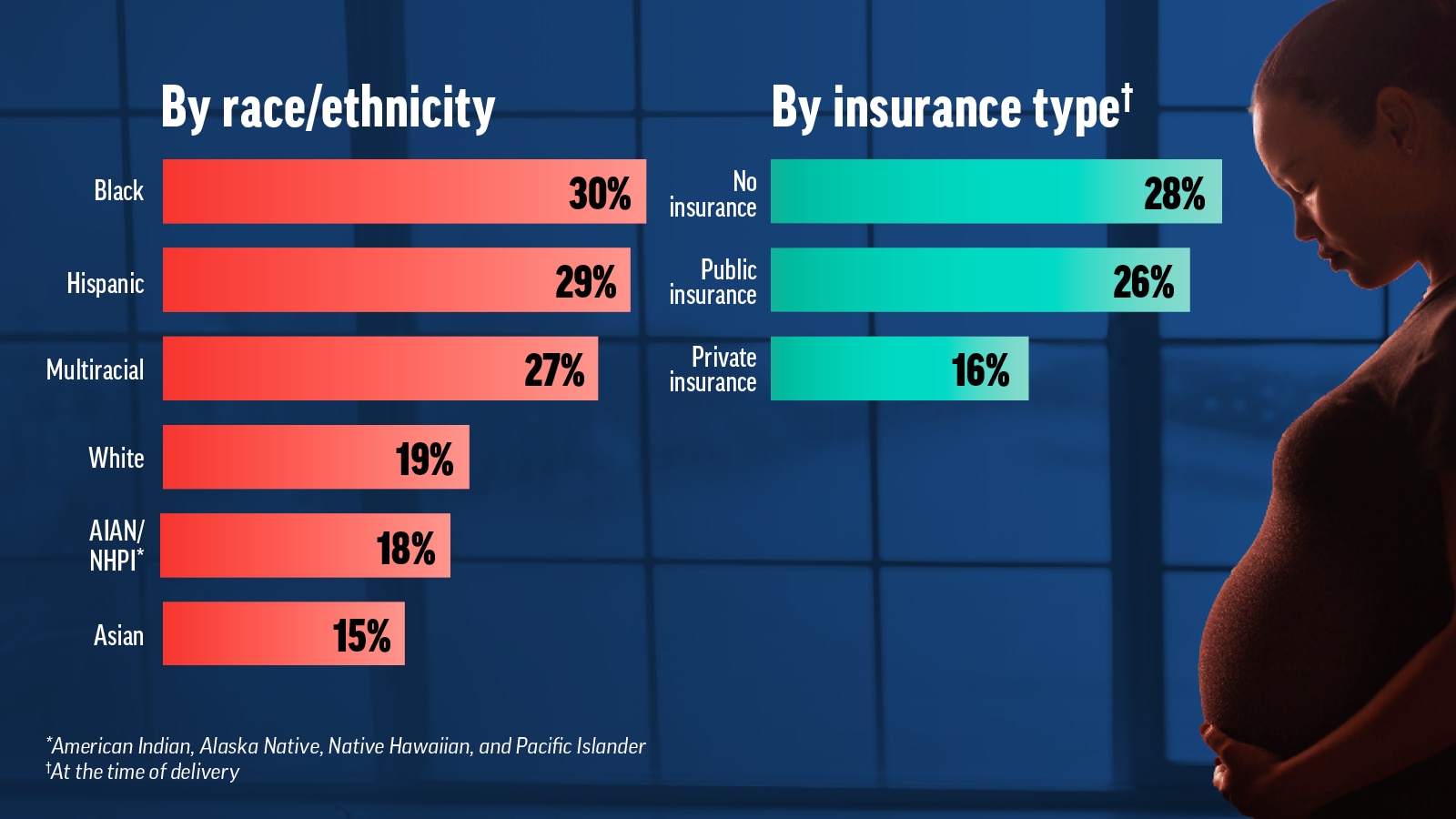
Twenty percent of those surveyed reported experiences of mistreatment during maternity care. Thirty percent of Black, 29% of Hispanic, and 27% of multiracial women reported mistreatment.
The most common types of mistreatment reported were:
- Receiving no response to requests for help.
- Being shouted at or scolded.
- Not having their physical privacy protected.
- Being threatened with withholding treatment or made to accept unwanted treatment.
Better communication is needed during maternity care
Almost half (45%) of moms reported holding back from asking questions or sharing concerns during their pregnancy or delivery. The top reasons included:
- Thinking, or being told by friends or family, what they were feeling was normal.
- Not wanting to make a big deal about it or being embarrassed to talk about it.
- Thinking their healthcare provider would think they’re being difficult.
- Thinking their healthcare provider seemed rushed.
- Not feeling confident that they knew what they were talking about.
To improve the quality of maternity care:
- Healthcare systems can support care that is respectful and considers the patient’s values, needs, and desires (i.e., patient-centered care) equally for all mothers.
- Maternity care providers can ensure patients are engaged in their health care and feel heard and respected.
- Communities can raise awareness of respectful care and promote health equity.
[Challenges
Bias and discrimination impact maternity care.
](javascript:document.getElementById('cdc_challenge').scrollIntoView();)
[Advance Equity
More diversity among health workers can help reduce disparities.
](javascript:document.getElementById('cdc_equity').scrollIntoView();)
[Ensure Respectful Care
Support pregnant and postpartum women in getting the care they need.
](javascript:document.getElementById('cdc_ensure').scrollIntoView();)
[Challenges
Bias and discrimination impact maternity care.
](javascript:document.getElementById('cdc_challenge').scrollIntoView();)
[Advancing Equity
More diversity among health workers can help reduce disparities.
](javascript:document.getElementById('cdc_equity').scrollIntoView();)
[Ensure Respectful Care
Support pregnant and postpartum women in getting the care they need.
](javascript:document.getElementById('cdc_ensure').scrollIntoView();)
Respectful maternity care:
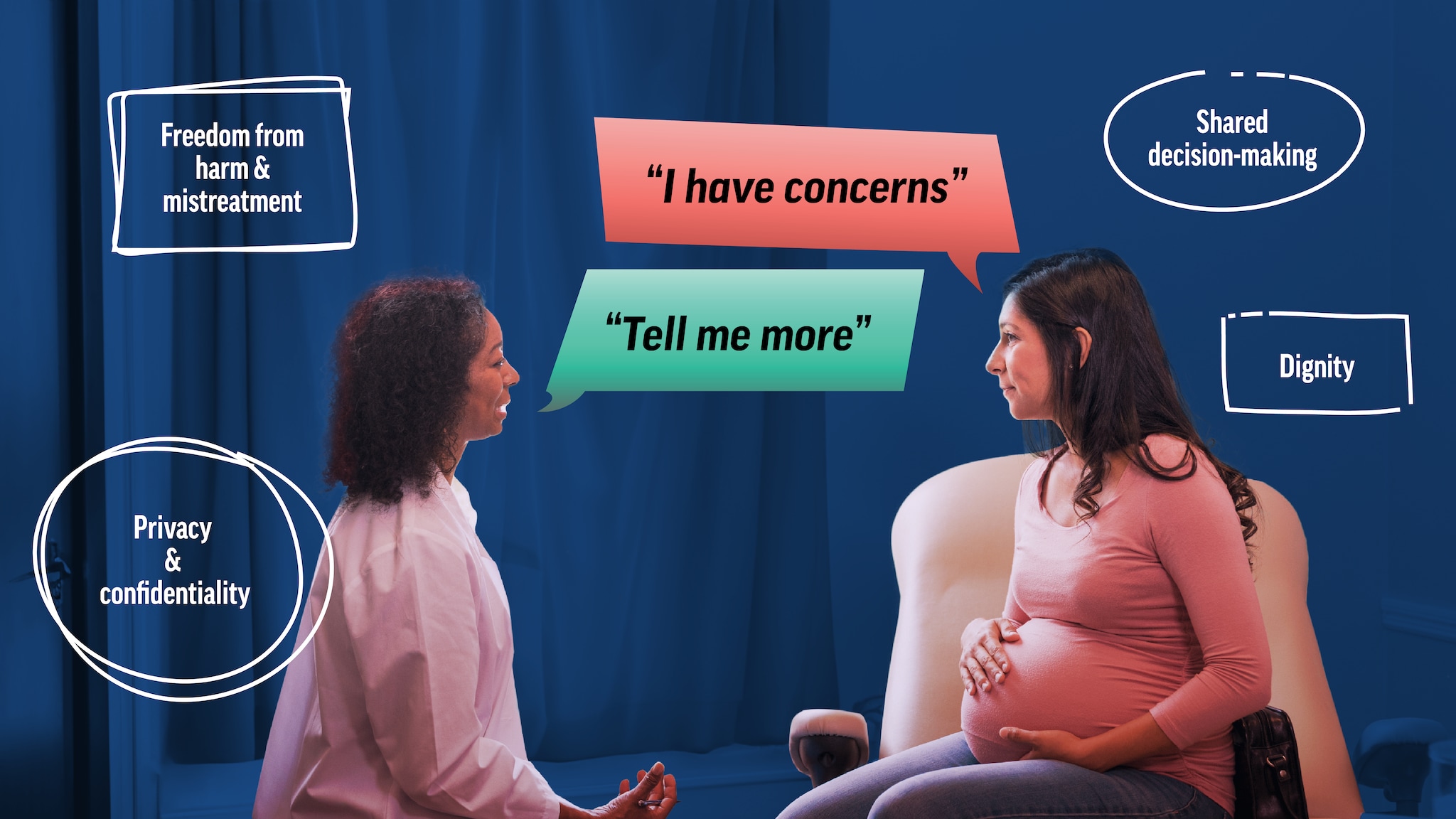
- Maintains dignity, privacy, and confidentiality,
- Ensures freedom from harm and mistreatment, and
- Allows for shared decision-making and continuous support during labor and childbirth.4
Every mom deserves respectful and responsive care during pregnancy and delivery
Maternal death rates in the U.S. rose from 2018 to 2021.1 More than 80% of pregnancy-related deaths are preventable.2 Native Hawaiian and Pacific Islander, Black, and American Indian and Alaska Native women have the highest rates of pregnancy-related death.2
Women from some racial and ethnic minority groups are also more likely to have negative healthcare experiences during pregnancy and delivery that impact the quality of care and health outcomes.3
Survey finds clear disparities in mistreatment during maternity care
Twenty percent of those surveyed reported experiences of mistreatment during maternity care. Thirty percent of Black, 29% of Hispanic, and 27% of multiracial women reported mistreatment.
The most common types of mistreatment reported were:
- Receiving no response to requests for help.
- Being shouted at or scolded.
- Not having their physical privacy protected.
- Being threatened with withholding treatment or made to accept unwanted treatment.
Better communication is needed during maternity care
Almost half (45%) of moms reported holding back from asking questions or sharing concerns during their pregnancy or delivery. The top reasons included:
- Thinking, or being told by friends or family, what they were feeling was normal.
- Not wanting to make a big deal about it or being embarrassed to talk about it.
- Thinking their healthcare provider would think they’re being difficult.
- Thinking their healthcare provider seemed rushed.
- Not feeling confident that they knew what they were talking about.
To improve the quality of maternity care:
- Healthcare systems can support care that is respectful and considers the patient’s values, needs, and desires (i.e., patient-centered care) equally for all mothers.
- Maternity care providers can ensure patients are engaged in their health care and feel heard and respected.
- Communities can raise awareness of respectful care and promote health equity.
Respectful maternity care:
- Maintains dignity, privacy, and confidentiality,
- Ensures freedom from harm and mistreatment, and
- Allows for shared decision-making and continuous support during labor and childbirth.4
Challenges
Bias and discrimination in maternity care settings impact care
- Mistreatment by maternity care providers was reported most often by Black, Hispanic, and multiracial moms. People with no insurance or public insurance experienced more mistreatment during maternity care than people with private insurance.
- About 29% of women experienced discrimination while receiving maternity care. Reports of discrimination were highest among Black (40%), multiracial (39%), and Hispanic (37%) women.
- While satisfaction with maternity care overall was high (90%), satisfaction among moms who reported mistreatment was considerably lower (75%). Mistreatment and discrimination impact experiences of care.
Poor communication can worsen maternal health outcomes
- Sometimes it is hard for pregnant women to ask questions or share concerns. Maternity care providers can improve communication by creating an environment of trust.
- Providers can take time to really hear women’s concerns and have an open conversation to make sure any issues are adequately addressed.
- When there is good communication about health concerns between moms and providers, it is more likely there will be accurate, timely diagnoses and treatment for potentially life-threatening pregnancy complications.
One in 5 Women Reported Mistreatment While Receiving Maternity Care
Mistreatment was reported most often by Black, Hispanic, and multiracial moms and those with public insurance or no insurance.
CloseBy race/ethnicity
Black: 30%
Hispanic: 29%
Multiracial: 27%
AIAN/NHPI*: 18%
Asian: 15%
By insurance type†
No insurance: 28%
Public insurance: 26%
Private insurance: 16%
*American Indian, Alaska Native, Native Hawaiian, and Pacific Islander
†At the time of delivery
Download Image[JPG]
Moms Deserve Respectful and Equal Maternity Care
Respectful maternity care is free from harm and mistreatment, maintains privacy, confidentiality, and dignity, and allows for shared decision-making and continuous support.
ClosePatient: “I have concerns.”
Provider: “Tell me more.”
Freedom from harm and mistreatment
Privacy and confidentiality
Shared decision-making
Dignity
Download Image[JPG]
To Advance Health Equity
Differences in respectful maternity care are rooted in discrimination and stigma based on factors that include race and insurance coverage. Research has shown the connection between pregnancy complications and experiences of racism or discrimination.5 Greater diversity in the healthcare workforce can help address racial and ethnic disparities in health care by improving patients’ experiences, increasing patient satisfaction, and improving access to care for underserved patients.
CDC is advancing birth equity by:
- Improving understanding of the leading causes of pregnancy-related deaths.
- Supporting state networks of teams working to improve the quality of care for mothers and babies.
- Improving communication between healthcare providers and pregnant and postpartum women and their support networks.
Partners are advancing birth equity by:
- Making respectful care part of patient safety bundles, which are standard approaches for use in maternity settings to ensure that every patient gets the same, high-quality care.
- Developing toolkits to promote respectful care in maternity settings.
- Providing ongoing training to maternity care teams about unconscious bias and culturally appropriate care.
- Training providers in settings that serve communities with higher rates of pregnancy-related complications and deaths.
Differences in respectful maternity care are rooted in discrimination and stigma based on factors that include race and insurance coverage. Research has shown the connection between pregnancy complications and experiences of racism or discrimination.5 Greater diversity in the healthcare workforce can help address racial and ethnic disparities in health care by improving patients’ experiences, increasing patient satisfaction, and improving access to care for underserved patients.
CDC is advancing birth equity by:
- Improving understanding of the leading causes of pregnancy-related deaths.
- Supporting state networks of teams working to improve the quality of care for mothers and babies.
- Improving communication between healthcare providers and pregnant and postpartum women and their support networks.
Partners are advancing birth equity by:
- Making respectful care part of patient safety bundles, which are standard approaches for use in maternity settings to ensure that every patient gets the same, high-quality care.
- Developing toolkits to promote respectful care in maternity settings.
- Providing ongoing training to maternity care teams about unconscious bias and culturally appropriate care.
- Training providers in settings that serve communities with higher rates of pregnancy-related complications and deaths.
To Ensure Respectful, Patient-Centered Maternity Care
Healthcare systems
Healthcare systems can encourage a culture of respectful, patient-centered maternity care. All healthcare staff play a role in improving patient experiences.
- Hire and keep a diverse workforce and provide trainings to all healthcare staff on unconscious bias and respectful care.
- Encourage patient communication and support through doulas and midwifery models of care.
- Promote actions to improve quality with a focus on providing respectful and responsive maternity care equally.
- Engage communities to raise awareness of respectful care.
Maternity care providers
Healthcare professionals can take steps to make patients feel respected, understood, and valued during their care. Engaging patients in their health care can lead to improvements in safety, quality, and satisfaction.
- Listen to your patients and ask questions to create trust.
- Recognize unconscious bias and improve cultural awareness in yourself and in your office.
- Address any concerns your patients may have.
- Help your patients, and those accompanying them, understand urgent maternal warning signs and when to seek medical attention right away.
Everyone
All of us can support pregnant and postpartum women in getting the care they need.
- If you are pregnant or gave birth within the last year, it’s important to talk to your healthcare provider about anything that doesn’t feel right.
- Listen to the concerns of pregnant and postpartum women.
- Encourage women who are pregnant or postpartum to seek medical help if something doesn’t feel right, and attend medical visits with them.
- Make sure if someone is experiencing an urgent maternal warning sign, they get medical care right away.
Healthcare systems
Healthcare systems can encourage a culture of respectful, patient-centered maternity care. All healthcare staff play a role in improving patient experiences.
- Hire and keep a diverse workforce and provide trainings to all healthcare staff on unconscious bias and respectful care.
- Encourage patient communication and support through doulas and midwifery models of care.
- Promote actions to improve quality with a focus on providing respectful and responsive maternity care equally.
- Engage communities to raise awareness of respectful care.
Maternity care providers
Healthcare professionals can take steps to make patients feel respected, understood, and valued during their care. Engaging patients in their health care can lead to improvements in safety, quality, and satisfaction.
- Listen to your patients and ask questions to create trust.
- Recognize unconscious bias and improve cultural awareness in yourself and in your office.
- Address any concerns your patients may have.
- Help your patients, and those accompanying them, understand urgent maternal warning signs and when to seek medical attention right away.
Everyone
All of us can support pregnant and postpartum women in getting the care they need.
- If you are pregnant or gave birth within the last year, it’s important to talk to your healthcare provider about anything that doesn’t feel right.
- Listen to the concerns of pregnant and postpartum women.
- Encourage women who are pregnant or postpartum to seek medical help if something doesn’t feel right, and attend medical visits with them.
- Make sure if someone is experiencing an urgent maternal warning sign, they get medical care right away.
Footnotes and ReferencesFootnotes
1Hoyert, D. (2023). Maternal mortality rates in the United States, 2021. NCHS Health E-Stats. doi: https://stacks.cdc.gov/view/cdc/124678.
2Trost, S.B. (2022). Pregnancy-Related Deaths: Data from Maternal Mortality Review Committees in 36 US States, 2017–2019. Atlanta, GA, US. Retrieved from https://www.cdc.gov/maternal-mortality/php/data-research/mmrc-2017-2019.html
3Vedam, S. S. (2019). The Giving Voice to Mothers study: inequity and mistreatment during pregnancy and childbirth in the United States. Reproductive Health., 16(1): 77. doi: https://reproductive-health-journal.biomedcentral.com/articles/10.1186/s12978-019-0729-2
4World Health Organization. (2016). WHO recommendations: intrapartum care for a positive childbirth experience. Geneva, Switzerland. Retrieved from https://www.who.int
5Daalen, K. K. (2022). Racial discrimination and adverse pregnancy outcomes: a systematic review and meta-analysis. BMJ Global Health., 7(8):3009277. Retrieved from https://gh.bmj.com/content/7/8/e009227
Related Pages and Resources
- Vital Signs: Media Statement – One in 5 Women Reported Mistreatment While Receiving Maternity Care [English]
- Vital Signs: Comunicado de Prensa – Una de cada 5 mujeres reportó maltrato mientras recibía atención de maternidad [Spanish]
- Morbidity and Mortality Weekly Report (MMWR): Vital Signs: Maternity Care Experiences—United States, April 2023
- Enhancing Reviews and Surveillance to Eliminate Maternal Mortality (ERASE MM)
- Reproductive Health
- HEAR HER Campaign
- Healthcare Professionals – Hear Her Campaign
email_03Vital Signs Update
Get email updates about Vital Signs
Email Address
Submit
VITAL SIGNS RESOURCES
Content provided and maintained by the US Centers for Disease Control and Prevention (CDC). Please see our system usage guidelines and disclaimer.
Where this page came from
This page was imported from Centers for Disease Control and Prevention. Material produced by the Centers for Disease Control and Prevention is a work of the United States government and is in the public domain.
Nobody has written it yet — it is the source material at a new address, which is why search engines are asked to skip it and why no one earns from it. It is up for grabs: take it on, and it is yours to rewrite and to earn from.
Licencia: CC0 1.0 (dominio público) · Adaptado de www.cdc.gov
1
0
0
0

Comentarios
Sigue leyendo