Envie d’améliorer le contenu de la page ? Proposez une modification.
Encompassing 125,000 acres of the Cumberland Plateau, Big South Fork National River and Recreation Area protects the free-flowing Big South Fork of the Cumberland River and its tributaries. The area boasts miles of scenic gorges and sandstone bluffs, is rich with natural and historic features and has been developed to provide visitors with a wide range of outdoor recreational activities.
Where it is
National River & Recreation Area, KY,TN.
What people do there
- Arts and Culture
- Astronomy
- Stargazing
- Biking
- Mountain Biking
- Boating
- Camping
- Backcountry Camping
- Horse Camping (see also Horse/Stock Use)
- RV Camping
- Climbing
- Rock Climbing
Getting there
Please use the following link to learn more about how to get here from various locations.
Weather
The weather along the Cumberland Plateau can be best described as unpredictable. Each season brings its own weather patterns. Summers are generally hot and humid, with high temperatures sometimes eclipsing 90 degrees. The low temperatures in winter often dip below freezing. Spring sees the most amount of precipitation, but rainfall can occur in various amounts throughout the year.
Where this page came from
This page was imported from U.S. National Park Service. Material produced by the National Park Service is in the public domain.
Nobody has written it yet — it is the source material at a new address, which is why search engines are asked to skip it and why no one earns from it. It is up for grabs: take it on, and it is yours to rewrite and to earn from.
Licence : CC0 1.0 (domaine public) · Adapté de www.nps.gov
1
0
0
0

commentaires
À lire ensuite
- Planetary NebulaThe Ring Nebula's distinctive shape makes it a popular illustration for astronomy books. But new observations by NASA's Hubble Space Telescope of the glowing gas shroud around an old, dying, sun-like star reveal a new twist. "The nebula is not like a bagel, but rather, it's like a jelly doughnut, be

- Doradus NebulaA panoramic view of a vast, sculpted area of gas and dust where thousands of stars are being born has been captured by NASA's Hubble Space Telescope. The image, taken by Hubble's Wide Field and Planetary Camera 2, is online at The camera was designed and built by NASA's Jet Propulsion Laboratory, Pa
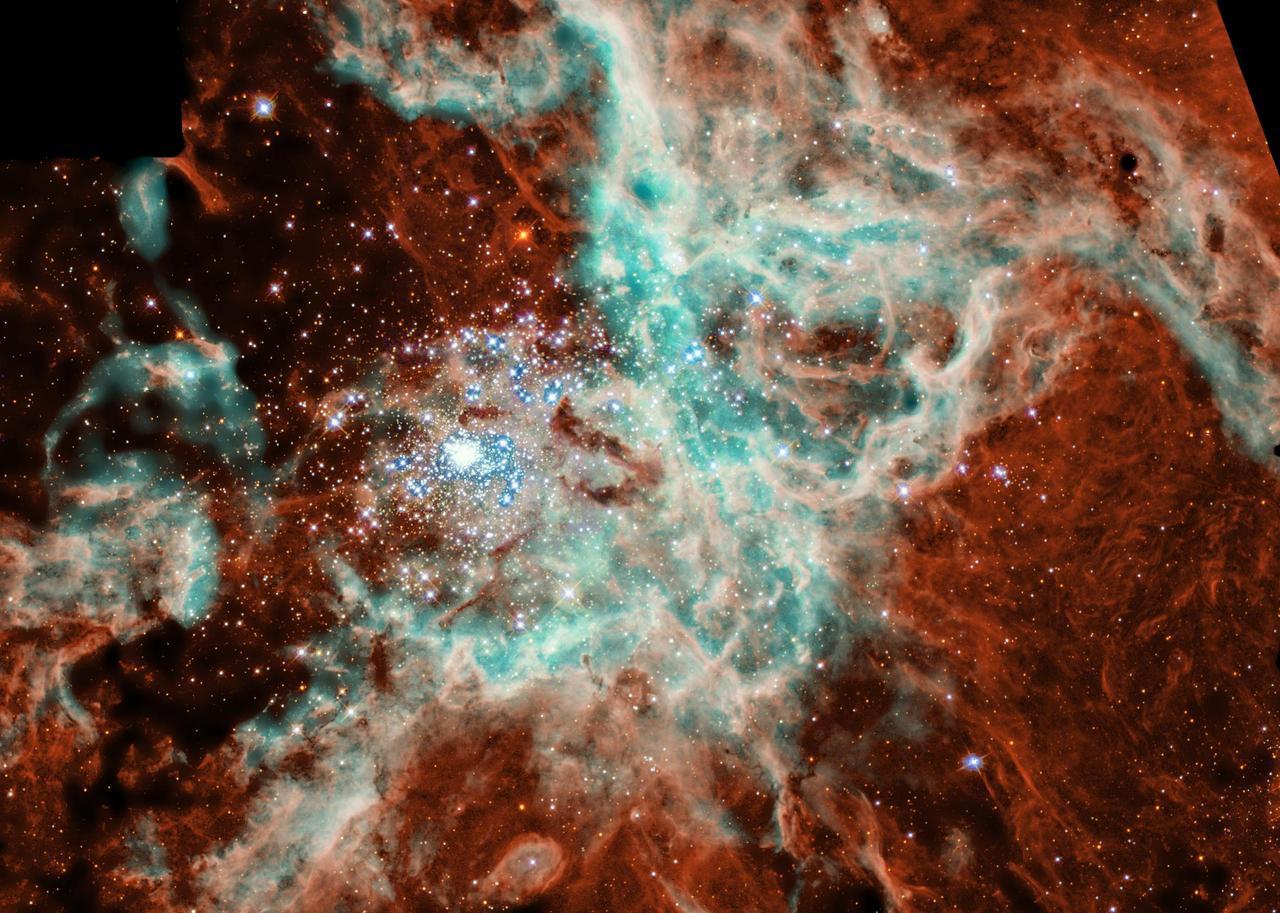
- The Tarantula NebulaNASA Spitzer Space Telescope, formerly known as the Space Infrared Telescope Facility, has captured in stunning detail the spidery filaments and newborn stars of theTarantula Nebula, a rich star-forming region also known as 30 Doradus. This cloud of glowing dust and gas is located in the Large Magel