
Envie d’améliorer le contenu de la page ? Proposez une modification.
Campfires can be a memorable part of an outdoor experience, but with potential for a catastrophic human-caused wildfire, knowing how to be responsible when enjoying a campfire is critical.
Did You Know?
Minimize Campfire Impacts is one of the 7 Leave No Trace Principles. These Principles empower you to leave nature as unchanged by your presence as possible. It’s a way of protecting the natural world and yourself and to preserve our outdoor spaces for the enjoyment of generations to come.
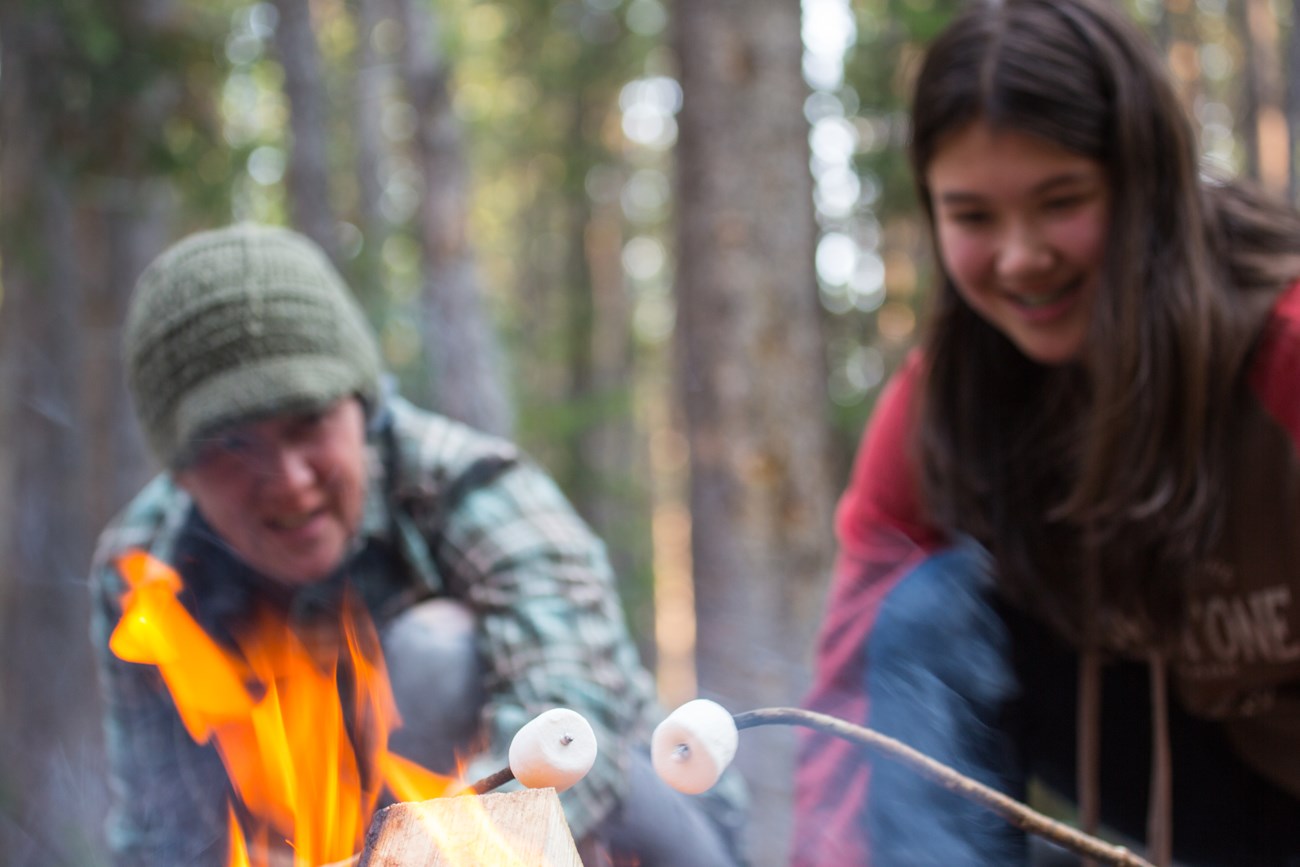
NPS / Neal Herbert
Should I Have A Campfire?
First, check for fire bans or restrictions, and see what the fire danger rating level is for your location. When conditions are too dangerous, it is common for fire bans or restrictions to go into effect. These keep us all safe from a potentially hazardous situation. These restrictions can change day to day and the most current guidance should always be followed. Check park websites or ask a park ranger for the most recent guidance.
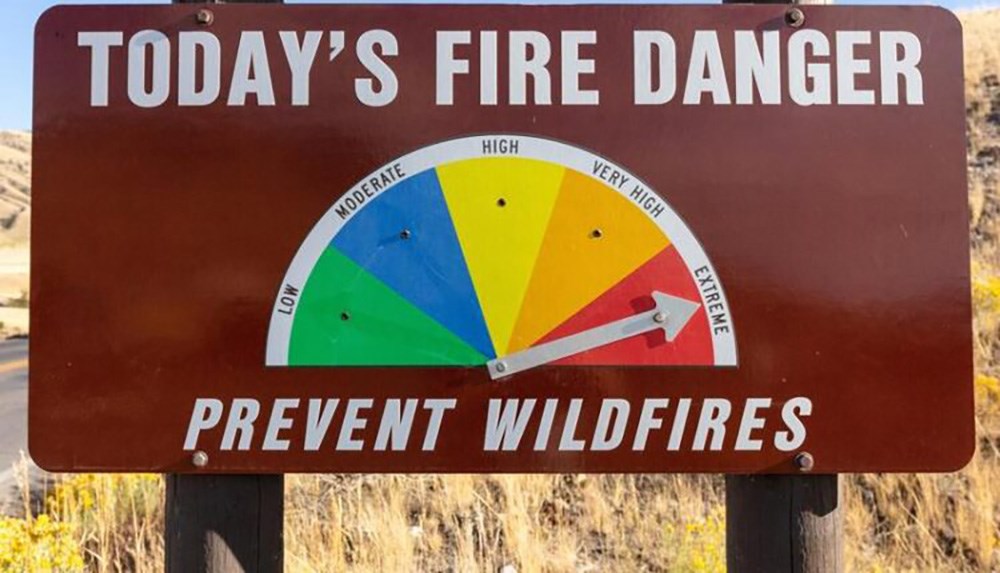
Always check for fire restrictions and bans. NPS / Jacob W Frank
Do I Have Everything I Need to Have a Safe Campfire?
If a campfire is allowed, the next step is ensuring that you have everything necessary to make it as safe as possible. Things you will need include:
- firewood from a local source (transporting firewood can spread invasive species),
- an existing fire ring (use designated campfire rings in the park),
- and enough water to put the fire out completely. Not all campgrounds have water on site, so be sure to check this beforehand and have the water close by in case of an emergency.
Stay Close By
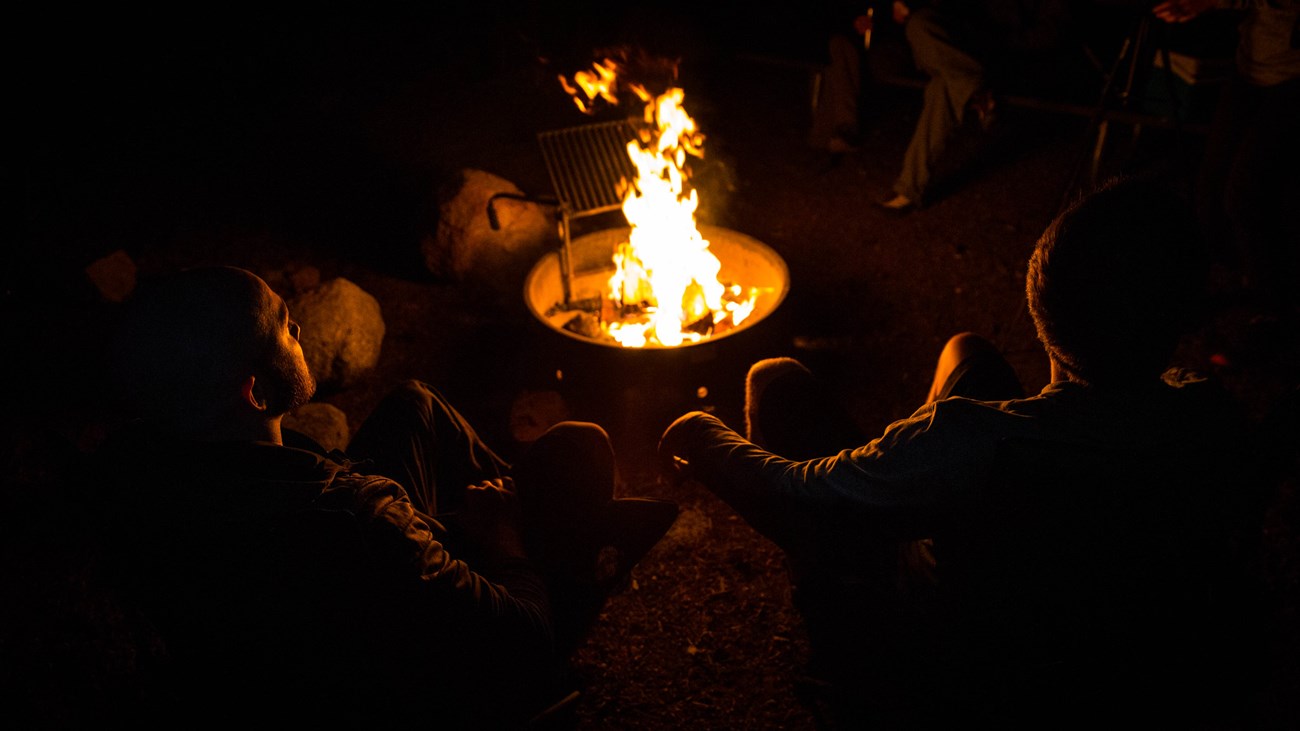
Don’t leave a campfire unattended. Things can change in an instant, so if you choose to have a campfire, have someone nearby at all times to keep an eye on things. If you need to leave or go to bed, the fire should be put out completely.
Put Your Fire Completely Out
If you choose to have a campfire it is your responsibility to make sure you put it out completely. This means making sure the burned wood or charcoal is cool to the touch. To do this, we recommend making campfire soup. Pour water over your fire, stir, and repeat. Do this until it is cool to the touch to ensure it is completely out and cannot spark later.
What Can You Do?
Having a campfire can be a fun part of an outdoor trip, but with 80-90% of wildfires each year caused by humans, we all need to do our part to make sure every campfire is handled responsibly. When in doubt, choose not to have a campfire. Always make sure you have a Plan B for when campfires are restricted.
- Flashlights for light,
- Camp stove for cooking,
- Layers for warmth, and
- Card games or stargazing for entertainment.
Learn more about the fifth Leave No Trace Principle, Minimize Campfire Impacts.
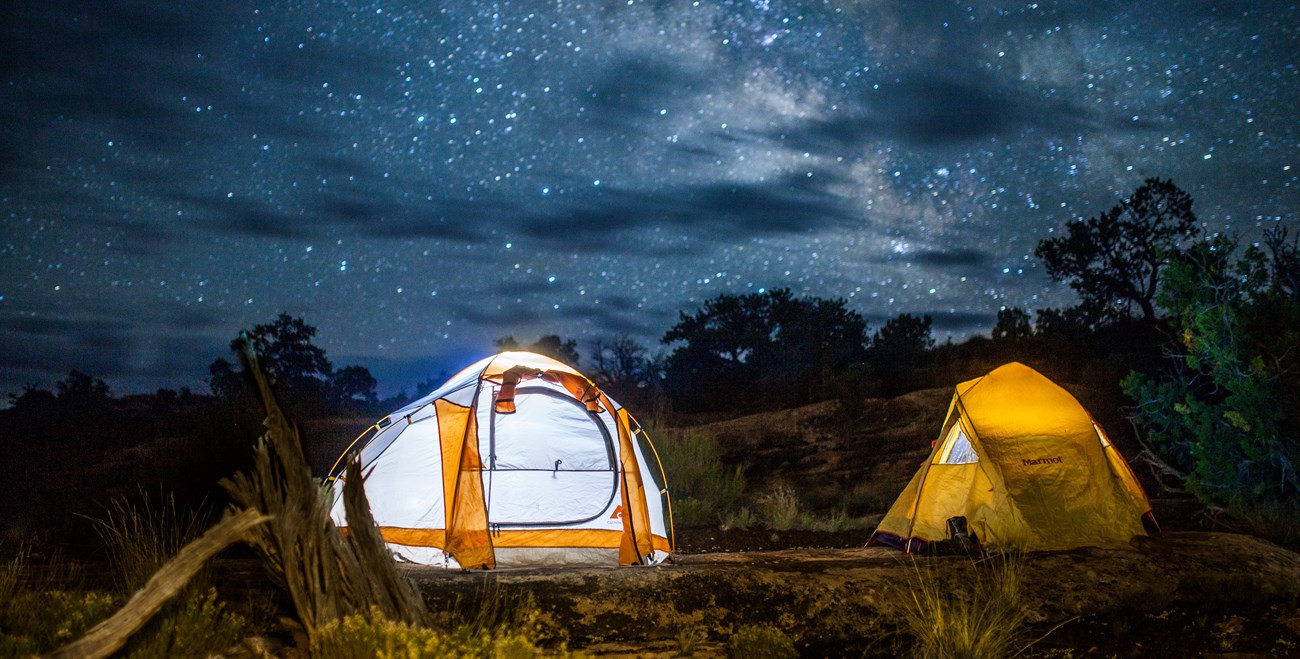
Always have a Plan B in case campfires are not allowed! NPS / Emily Ogden
Pass It On!
Did you learn something new? Pass it on! Protecting our ecosystems and putting safety first is a job for us all, but there’s no way for everyone to be an expert in everything. That’s why sharing knowledge is so important!
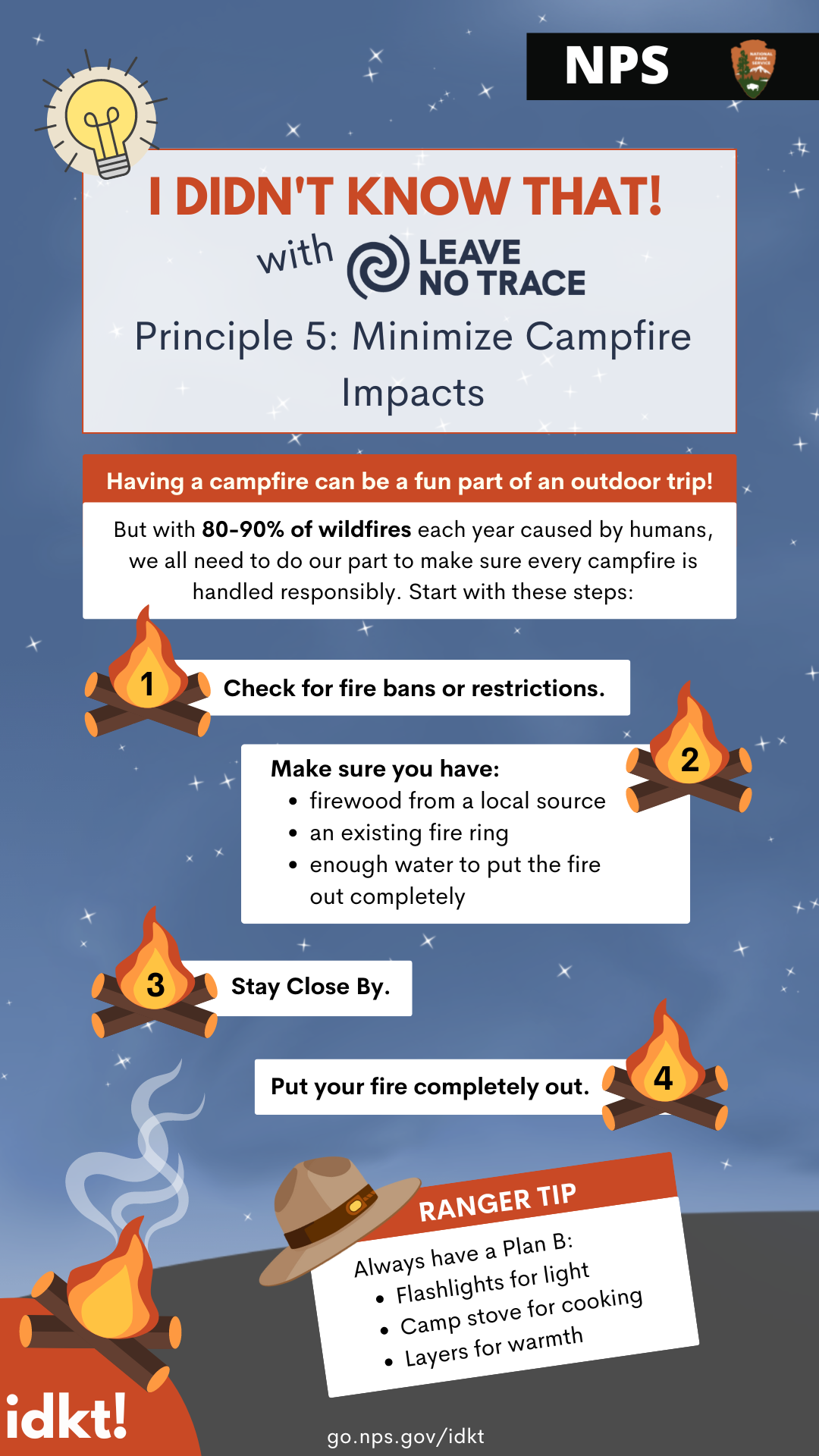
Download or screenshot this card to share with a friend or help spread the word and encourage others to Leave No Trace by minimizing campfire impacts so that we all can enjoy memories around a campfire in a safe way. Thank you for helping protect our natural spaces for generations to come.
Check out other I Didn’t Know That! Topics.
###
Text description of infographic
I Didn't Know That! with Leave No Trace: Principle 5: Minimize Campfire Impacts
- Having a campfire can be a fun part of an outdoor trip!
But with 80-90% of wildfires each year caused by human, we all need to do our part to make sure every campfire is handled responsibly. Start with these tips:
Check for fire bans or restrictions.
- Make sure you have:
firewood from a local source
- an existing fire ring
- enough water to put the fire out completely
- Stay close by
- Put your fire completely out.
- Ranger Tip:
Always have a Plan B:
Flashlights for light,
- Camp stove for cooking,
- Layers for warmth
- go.nps.gov/idkt
###
In Collaboration with Leave No Trace
This article is part of the I Didn't Know That!: Leave No Trace series and was developed in collaboration with Leave No Trace Center for Outdoor Ethics.
Part of a series of articles titled
I Didn't Know That! Leave No Trace.
Previous:
I Didn't Know That!: Leave No Trace Principle #4 - Leave What You Find
Next:
I Didn't Know That!: Leave No Trace Principle #6 - Respect Wildlife
Where this page came from
This page was imported from National Park Service. Produced by the U.S. National Park Service and, as a work of the United States government, in the public domain.
Nobody has written it yet — it is the source material at a new address, which is why search engines are asked to skip it and why no one earns from it. It is up for grabs: take it on, and it is yours to rewrite and to earn from.
Dans ces collectionsI Didn't Know That! Leave No Trace
Licence : CC0 1.0 (domaine public) · Adapté de www.nps.gov
1
0
0
0

commentaires
À lire ensuite


