
Vuoi migliorare il contenuto della pagina? Prova a proporre una modifica.
A brilliantly patterned rock on the trail, a feather, a shed antler, a shard of old pottery: the temptation to pocket a keepsake is strong. The fourth Leave No Trace principle — leave what you find — asks visitors to resist it. The National Park Service explains why, in its I Didn't Know That! series produced with the Leave No Trace Center for Outdoor Ethics.
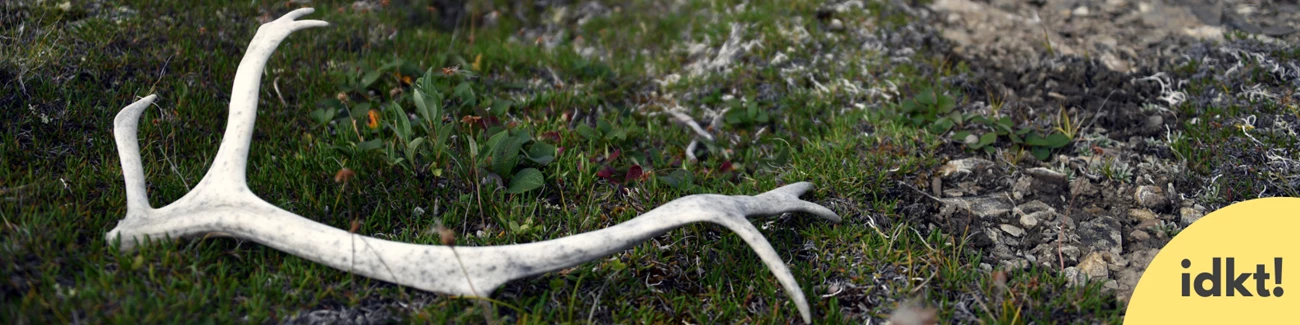
Image from the National Park Service's article on Leave No Trace Principle 4.
Finds are part of the experience
Stumbling on a natural "treasure" is part of exploring a park. But parks welcome more than 300 million visitors a year, and if every one of them took something, the effect would be enormous. Picture Petrified Forest National Park with no petrified wood, or a Death Valley super bloom with no flowers. Each item removed takes a piece of the place away from the next visitor.
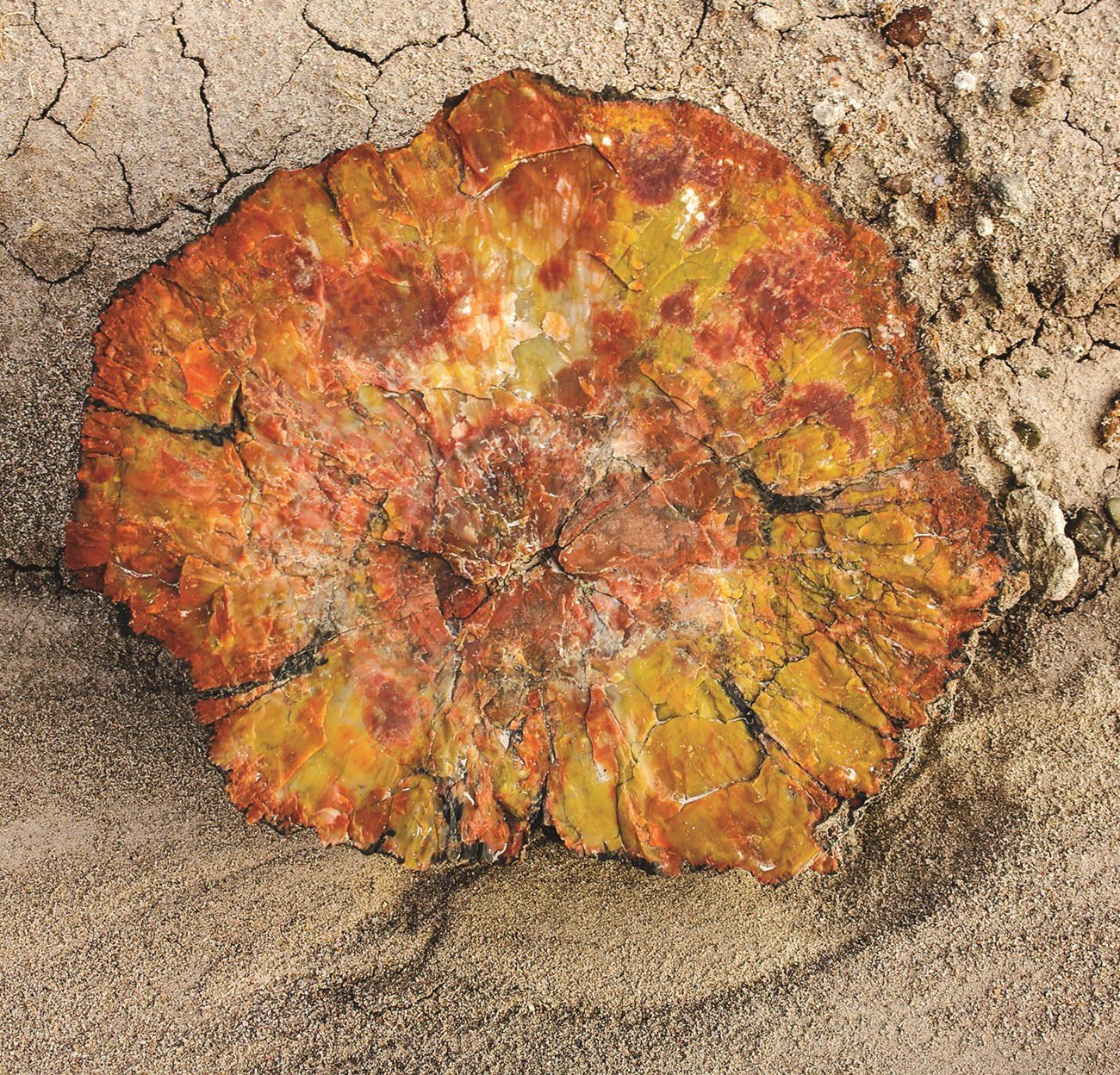
Petrified wood at Petrified Forest National Park. Credit: National Park Service.
Everything has a job
Natural objects play a part either in their ecosystem or in the story of the landscape, and often both. Even dead things work:
| Item | What it does in place |
|---|---|
| Rock | Weathers into soil and releases nutrients for plants; shelters animals from predators and heat or cold, or gives them a surface to cling to; helps soil hold water and resist erosion; records the geologic past |
| Feather | Lines nests for young birds; returns nutrients to the soil as it decays |
| Shed antler | Releases minerals as it breaks down; supplies calcium and phosphorus to animals that gnaw it, some to sharpen their teeth; wolves have been seen bringing antlers to their pups as toys |
| Flower | Offers nectar and pollen to bees, butterflies, birds and bats, which carry pollen between plants; shelters insects; becomes seed or fruit that feeds animals or grows new plants |
| Pine cone | Holds seeds that birds and squirrels eat or carry off, spreading new trees; feeds the soil as it decays; serves some birds as nest material or cover |
| Dead leaf or stick | Hides amphibians, reptiles, insects and pollinators; becomes nest material; recycles nutrients, holds soil moisture and stores carbon in the soil |
| Empty bird nest | Shelters insects, small mammals and other birds; used by owls and woodpeckers as roosts; reused by house sparrows, wrens, starlings and others to save effort; may mark a territory or attract a mate |
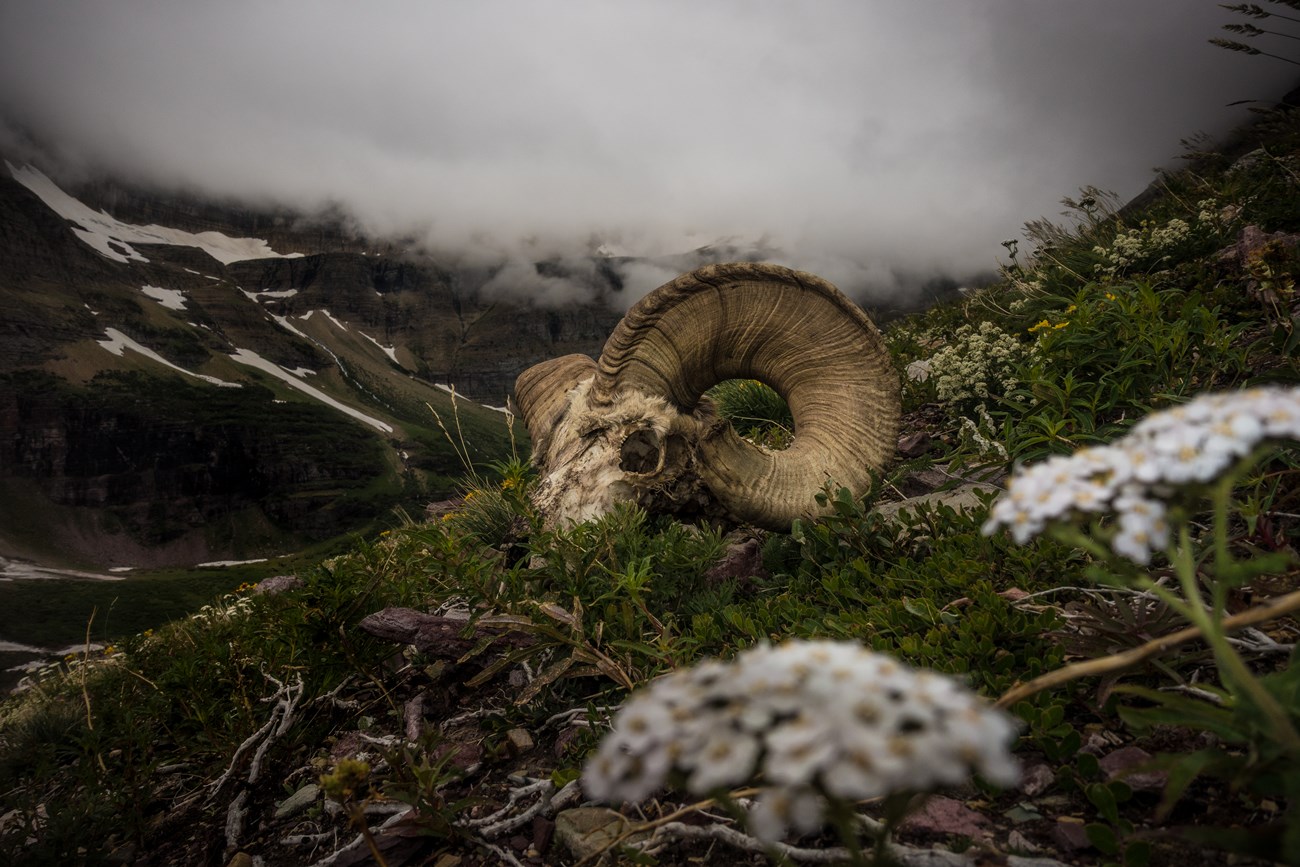
A bighorn sheep skull in Glacier National Park. Credit: National Park Service.
Artifacts tell a shared story
Cultural objects and artifacts, and the exact spots where they lie, tell the story of our shared heritage. Moved or taken, they make that story harder to piece together. Many are sacred or deeply meaningful to particular communities, and most are irreplaceable.
If you find an artifact:
- Leave it alone. Don't pick it up or move it.
- Record where it is. Photograph it in place, then step back and photograph it with a landmark.
- Tell a ranger. Show them your photos and the location, or use the "Contact Us" link on the park's website.
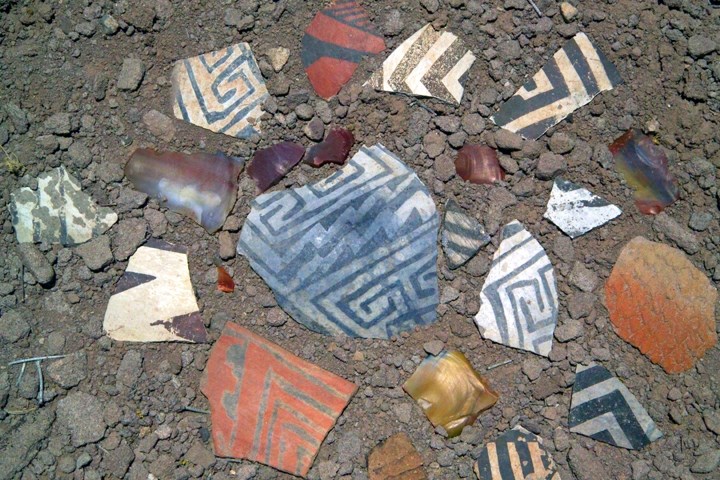
Pottery shards at Petrified Forest National Park. Credit: National Park Service.
It's also the law
Leaving what you find is not just good manners. On federal lands especially, laws protect archeological items and many natural ones. Some things — berries, nuts, firewood, unoccupied seashells — may be gathered in certain places and amounts; each park's Superintendent's Compendium, often posted on its website, spells out the rules, or a ranger can tell you. When in doubt, leave it be.
Take the memory instead
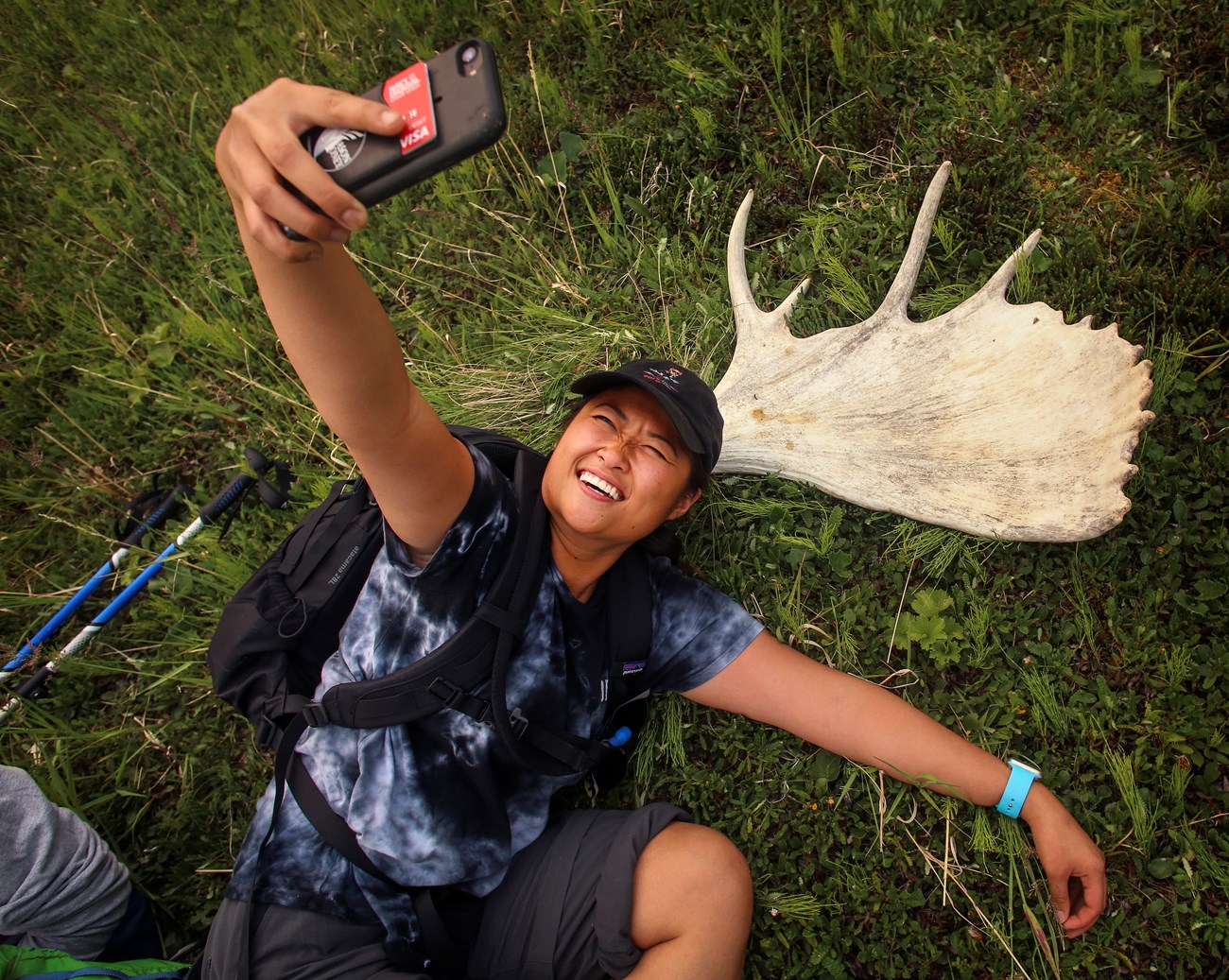
A hiker takes a photo instead of a moose antler in Denali National Park. NPS / Emily Mesner.
- Take pictures, or turn it into a photo scavenger hunt.
- Keep a nature journal of sketches and notes on what you find.
- Bring a field guide to identify flowers, plants and mushrooms.
- Use all your senses and be in the moment.
- Report artifacts to a ranger rather than collecting them.
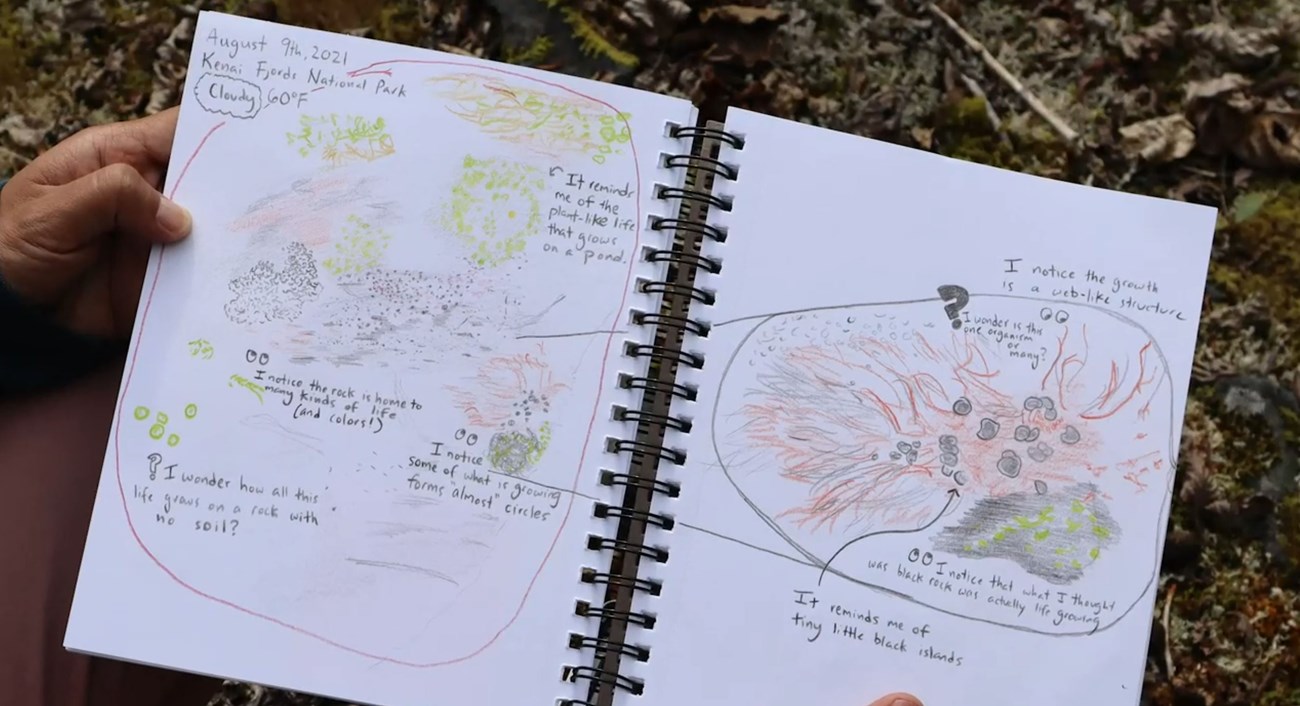
A nature journal keeps what you found without taking it. Credit: National Park Service.
Sources
Based on "I Didn't Know That!: Leave No Trace Principle #4 – Leave What You Find," developed with the Leave No Trace Center for Outdoor Ethics and published by the National Park Service; rewritten in hubnx's own words.
In queste raccolteI Didn't Know That! Leave No Trace
Licenza: CC0 1.0 (pubblico dominio) · Tratto da www.nps.gov
1
0
0
0

Commenti


