The remote Aleutian Islands, home to the Unangax̂ (Aleut) people for over 8,000 years, became a fiercely contested Pacific battleground in World War II. Some Unangax̂ were taken from their homelands as Japanese prisoners of war while the others were evacuated from the islands by the government. Both groups suffered greatly during the war, and some would never return to their villages.
Where it is
National Historic Area, AK.
What people do there
- Guided Tours
- Self-Guided Tours - Walking
- Self-Guided Tours - Auto
- Junior Ranger Program
- Wildlife Watching
- Birdwatching
- Museum Exhibits
Getting there
The park is located on Amaknak Island in the Aleutian Island chain. The island is located 800 miles west of Anchorage. The island can be reached by ferry or by commercial or charter air flights from Anchorage. If you choose to fly, the Aleutian World War II Visitor Center is conveniently located next to the Unalaska airport.
Weather
The Aleutian Islands are known for unpredictable and stormy weather. Rain, fog, and wind are common. Dress warmly and carry rain gear even in summer. Summer temperatures range from 45 to 65 degrees F.
Where this page came from
This page was imported from U.S. National Park Service. Material produced by the National Park Service is in the public domain.
Nobody has written it yet — it is the source material at a new address, which is why search engines are asked to skip it and why no one earns from it. It is up for grabs: take it on, and it is yours to rewrite and to earn from.
ライセンス: CC0 1.0(パブリックドメイン) · 出典 www.nps.gov
1
0
0
0

コメント
次に読む
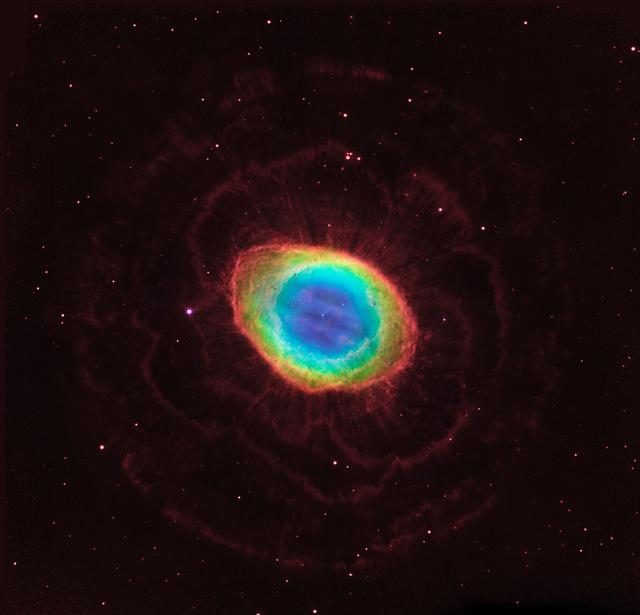
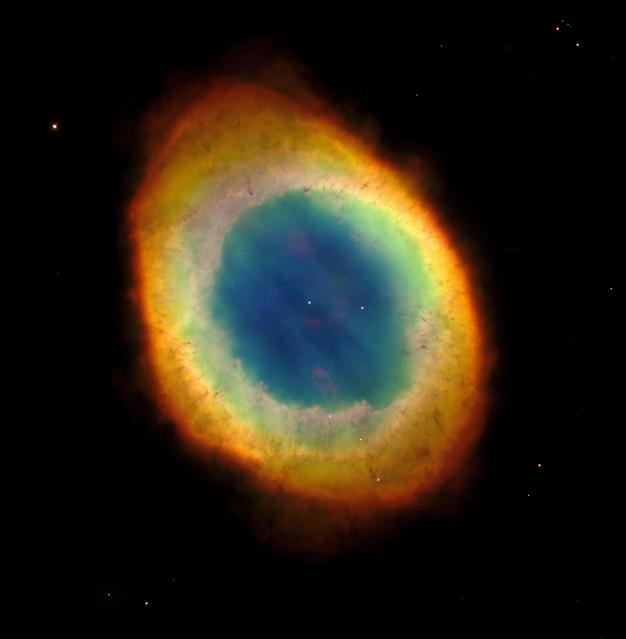
- Planetary NebulaThe Ring Nebula's distinctive shape makes it a popular illustration for astronomy books. But new observations by NASA's Hubble Space Telescope of the glowing gas shroud around an old, dying, sun-like star reveal a new twist. "The nebula is not like a bagel, but rather, it's like a jelly doughnut, be
- Doradus NebulaA panoramic view of a vast, sculpted area of gas and dust where thousands of stars are being born has been captured by NASA's Hubble Space Telescope. The image, taken by Hubble's Wide Field and Planetary Camera 2, is online at The camera was designed and built by NASA's Jet Propulsion Laboratory, Pa

- The Tarantula NebulaNASA Spitzer Space Telescope, formerly known as the Space Infrared Telescope Facility, has captured in stunning detail the spidery filaments and newborn stars of theTarantula Nebula, a rich star-forming region also known as 30 Doradus. This cloud of glowing dust and gas is located in the Large Magel