If you've ever groaned, "Oh, my aching back !", you are not alone. Back pain is one of the most common medical problems, affecting 8 out of 10 people at some point during their lives. Back pain can range from a dull, constant ache to a sudden, sharp pain . Acute back pain comes on suddenly and usually lasts from a few days to a few weeks.
Back pain is called chronic if it lasts for more than three months. Most back pain goes away on its own, though it may take awhile. Taking over-the-counter pain relievers and resting can help. However, staying in bed for more than 1 or 2 days can make it worse.
If your back pain is severe or doesn't improve after three days, you should call your health care provider. You should also get medical attention if you have back pain following an injury. Treatment for back pain depends on what kind of pain you have, and what is causing it. It may include hot or cold packs, exercise, medicines, injections, complementary treatments, and sometimes surgery.
NIH: National Institute of Arthritis and Musculoskeletal and Skin Diseases
Where this page came from
This page was imported from MedlinePlus, U.S. National Library of Medicine. MedlinePlus is produced by the U.S. National Library of Medicine and is in the public domain.
Nobody has written it yet — it is the source material at a new address, which is why search engines are asked to skip it and why no one earns from it. It is up for grabs: take it on, and it is yours to rewrite and to earn from.
ライセンス: CC0 1.0(パブリックドメイン) · 出典 medlineplus.gov
1
0
0
0

コメント
次に読む
- Planetary NebulaThe Ring Nebula's distinctive shape makes it a popular illustration for astronomy books. But new observations by NASA's Hubble Space Telescope of the glowing gas shroud around an old, dying, sun-like star reveal a new twist. "The nebula is not like a bagel, but rather, it's like a jelly doughnut, be

- Doradus NebulaA panoramic view of a vast, sculpted area of gas and dust where thousands of stars are being born has been captured by NASA's Hubble Space Telescope. The image, taken by Hubble's Wide Field and Planetary Camera 2, is online at The camera was designed and built by NASA's Jet Propulsion Laboratory, Pa
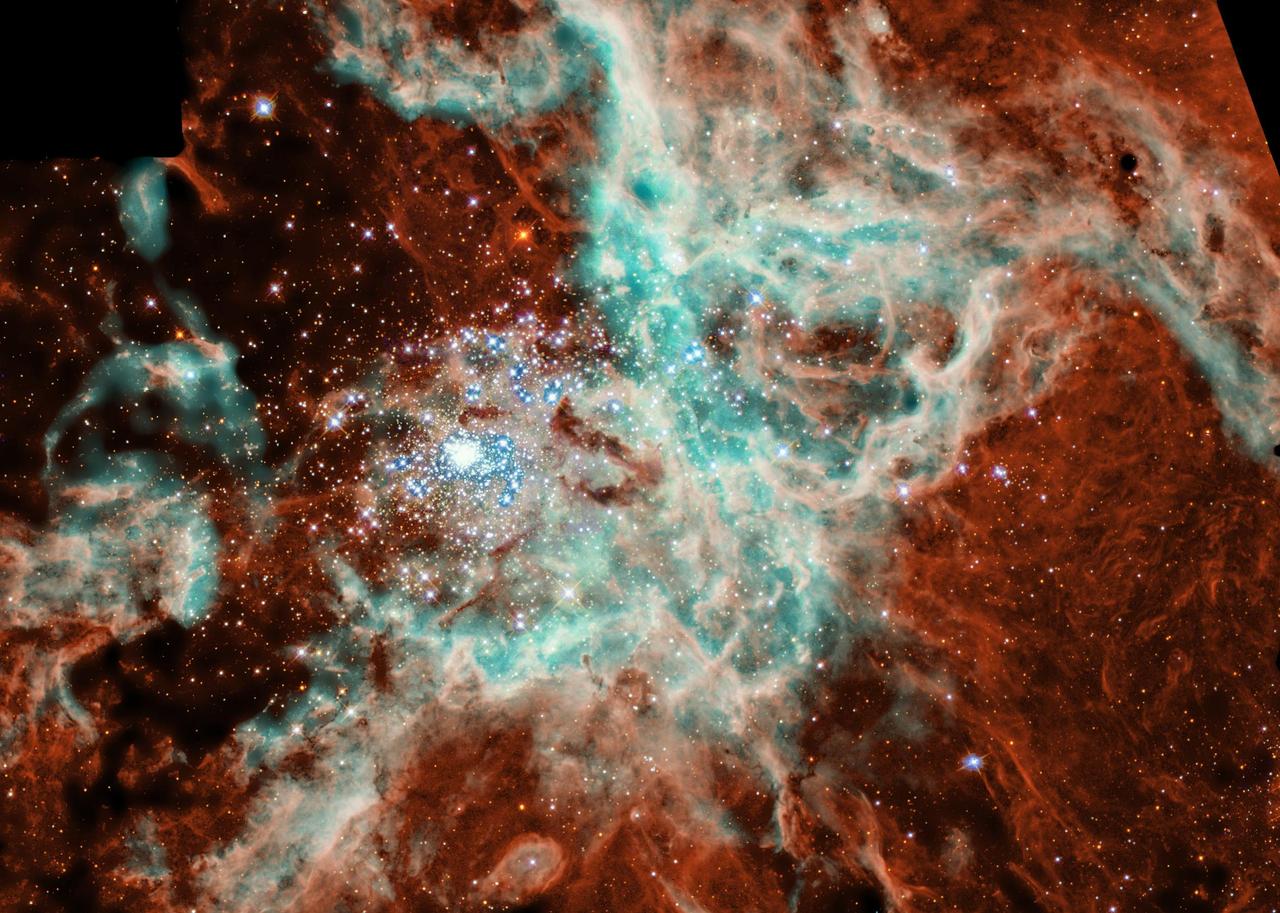
- The Tarantula NebulaNASA Spitzer Space Telescope, formerly known as the Space Infrared Telescope Facility, has captured in stunning detail the spidery filaments and newborn stars of theTarantula Nebula, a rich star-forming region also known as 30 Doradus. This cloud of glowing dust and gas is located in the Large Magel