In the early 1900s, paleontologists unearthed the Age of Mammals when they found full skeletons of extinct Miocene mammals in the hills of Nebraska -- species previously only known through fragments. At the same time, an age of friendship began between rancher James Cook and Chief Red Cloud of the Lakota. These two unprecedented events are preserved and protected here... at Agate Fossil Beds.
Where it is
National Monument, NE.
What people do there
- Arts and Culture
- Cultural Demonstrations
- Astronomy
- Stargazing
- Food
- Picnicking
- Guided Tours
- Self-Guided Tours - Walking
- Hiking
- Junior Ranger Program
- Wildlife Watching
- Birdwatching
Getting there
From US 20: 22 miles south of Harrison, NE on State Hwy 29, then three miles east on River Road (paved) From US 26: 34 miles north of Mitchell, NE on State Hwy 29, then three miles east on River Road (paved). From State Hwy 71: 25 miles west on the unpaved portion of River Road.
Weather
Summers can be very warm, high 90's to 100 with the frequent afternoon thunderstorms. Plan to hike early and come down from the higher points if storms threaten. Winter temperatures can dip as low as -20 with snow and wind. Heaviest snows can be expected in late Spring.
Where this page came from
This page was imported from U.S. National Park Service. Material produced by the National Park Service is in the public domain.
Nobody has written it yet — it is the source material at a new address, which is why search engines are asked to skip it and why no one earns from it. It is up for grabs: take it on, and it is yours to rewrite and to earn from.
이용 허락: CC0 1.0 (퍼블릭 도메인) · 출처 www.nps.gov
1
0
0
0

코멘트
이어서 읽기
- Planetary NebulaThe Ring Nebula's distinctive shape makes it a popular illustration for astronomy books. But new observations by NASA's Hubble Space Telescope of the glowing gas shroud around an old, dying, sun-like star reveal a new twist. "The nebula is not like a bagel, but rather, it's like a jelly doughnut, be

- Doradus NebulaA panoramic view of a vast, sculpted area of gas and dust where thousands of stars are being born has been captured by NASA's Hubble Space Telescope. The image, taken by Hubble's Wide Field and Planetary Camera 2, is online at The camera was designed and built by NASA's Jet Propulsion Laboratory, Pa
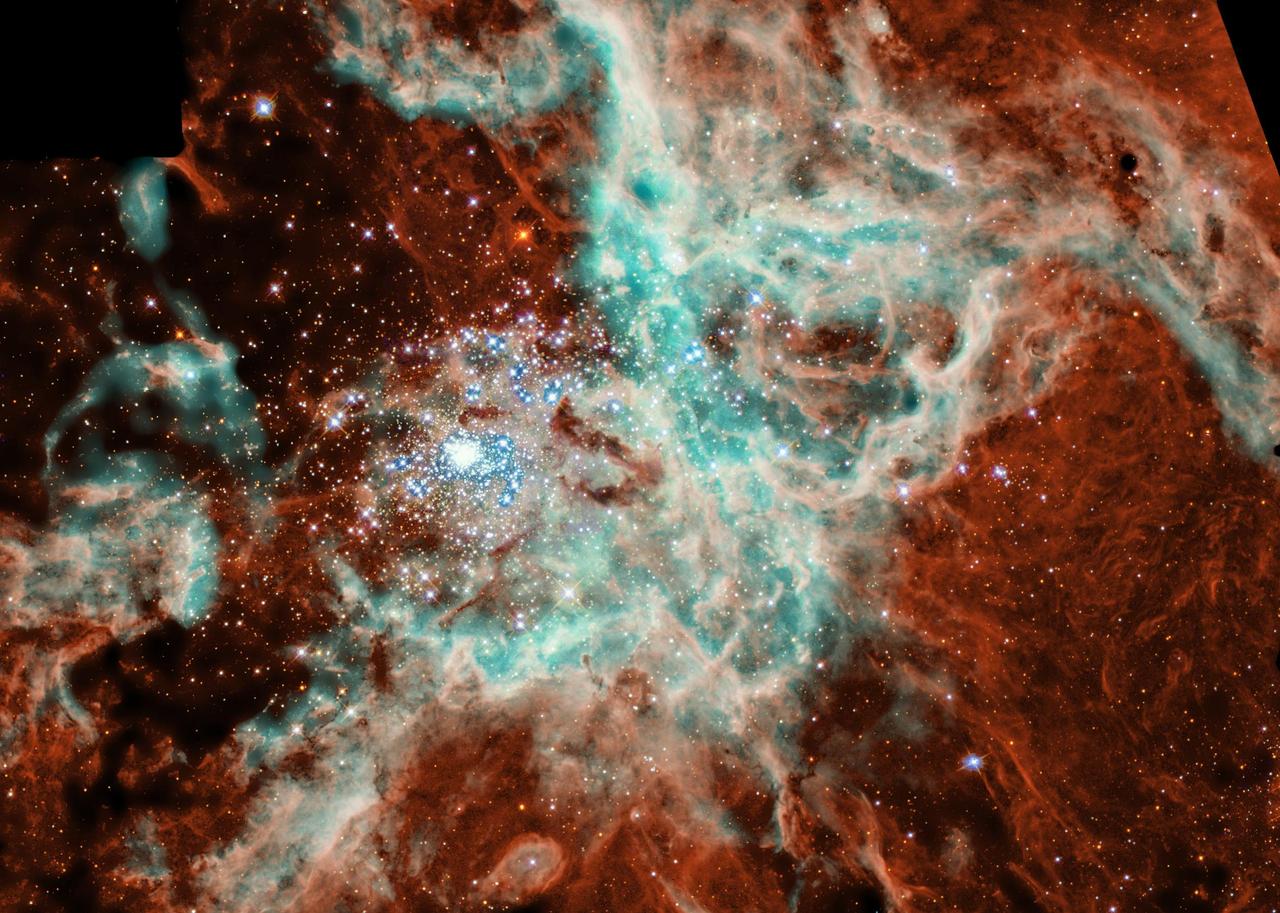
- The Tarantula NebulaNASA Spitzer Space Telescope, formerly known as the Space Infrared Telescope Facility, has captured in stunning detail the spidery filaments and newborn stars of theTarantula Nebula, a rich star-forming region also known as 30 Doradus. This cloud of glowing dust and gas is located in the Large Magel