
Vill du förbättra sidans innehåll? Föreslå en ändring.
The National Park Service (NPS) is working to restore the historical landscape at two sites vital to the Battle of Second Manassas. On once open farm fields, overgrown shrubs and trees have been hiding the sightlines used by Civil War commanders in pivotal engagements. To address the situation, park managers are pulling out some unusual tools from their kit including a large piece of equipment called a masticator (literally a “chewer”) and prescribed fire.
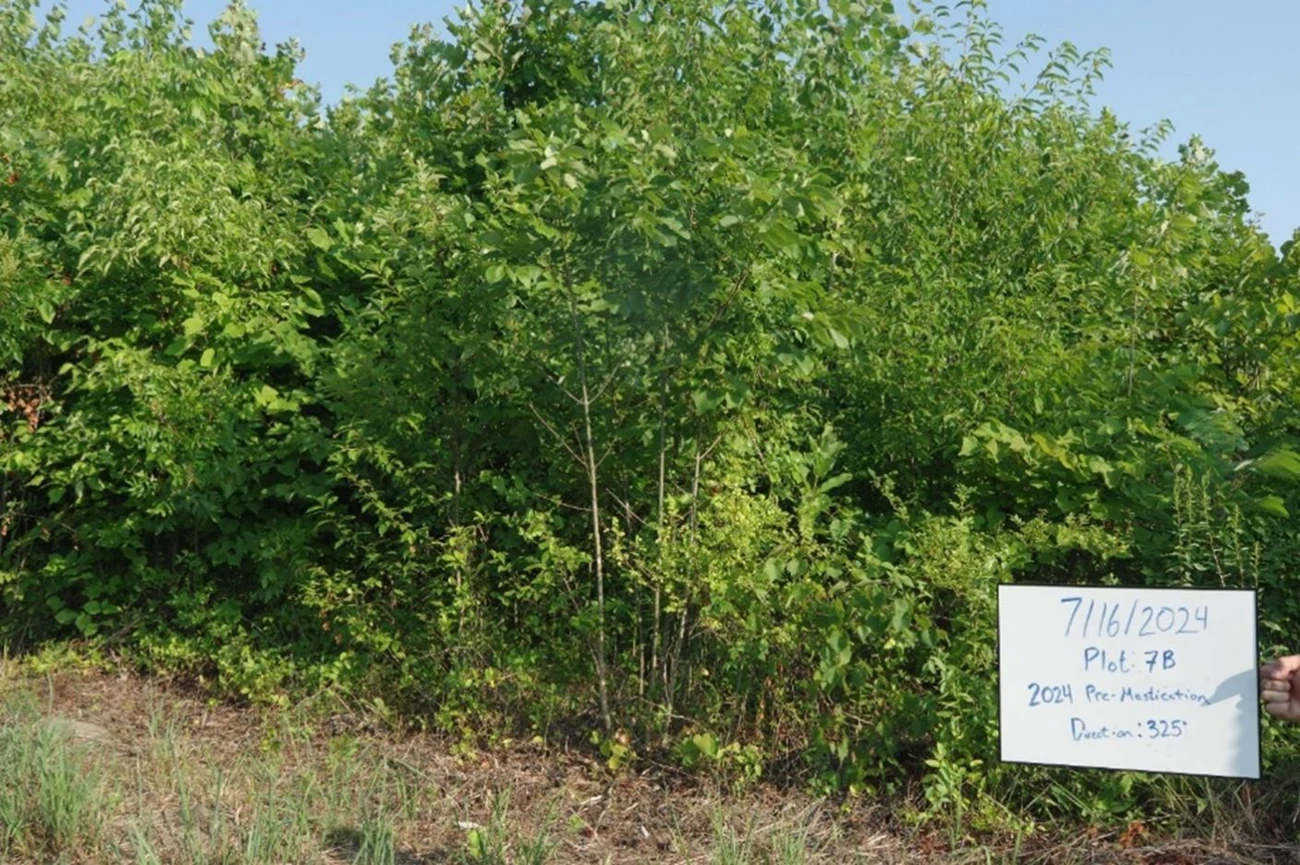

In 2024 NPS removed a wall of shrubs (Left/Before) that blocked historic views (Right/After) of the Deep Cut landscape at Manassas National Battlefield Park.

NPS/Justin Shedd
Clearing the Way
In the last two years, Manassas National Battlefield Park has cut and mown down approximately 125 acres of overgrown vegetation at Brawner Farm and Deep Cut. These are two of the more highly visited parks area with Brawner Farm House serving as an interpretation station during the summer. The reduction of shrubs and trees has improved the views from the farm house to what they were at the time of the battle.

A forestry mower, also known as a masticator, used to clear woody brush. NPS
The park began using a masticator, also known as a forestry mower, in 2023. It's a skid-steer on track treads (to minimize ground disturbance) that can have a mower or a horizontal chipping drum attached. The park wrapped up 2024 work in August for both areas to protect nesting grassland bird habitat and to maximize the effect of woody species control. By cutting in late summer, woody species have most of their energy above ground so cutting helps to exhaust the root system’s reserves and kill the plant. Removal of the shrub-layer, a main source of hazardous fuels, also reduces the potential for wildfires to climb into the nearby tree canopy.
The park wants to return and maintain these landscapes to the views that were present during the Civil War. In addition, these efforts help to reestablish open habitats full of native grasses, milkweeds, and wildflowers. These areas can provide habitat for grassland specialist species such as bobwhite quail, eastern meadowlarks, and other bird species.Learn more about NPS efforts to restore native grasslands in the eastern US.
Rocky Going
The park has done mastication work with the help of two separate crews—a contractor crew and an NPS fire crew from Delaware Water Gap National Recreation Area. In 2024, the crew was composed of regional fire personnel, park staff, and other staff in the National Capital Region who attended a masticator training hosted at Antietam National Battlefield.
Both locations have large boulder fields that aren’t typical in the region—especially Deep Cut—which makes operating the machinery tough and slow-going. Even though Deep Cut is a smaller area than Brawner, it took the same amount of time to complete. Slipped tracks and mechanical woes were commonplace throughout both cuttings.

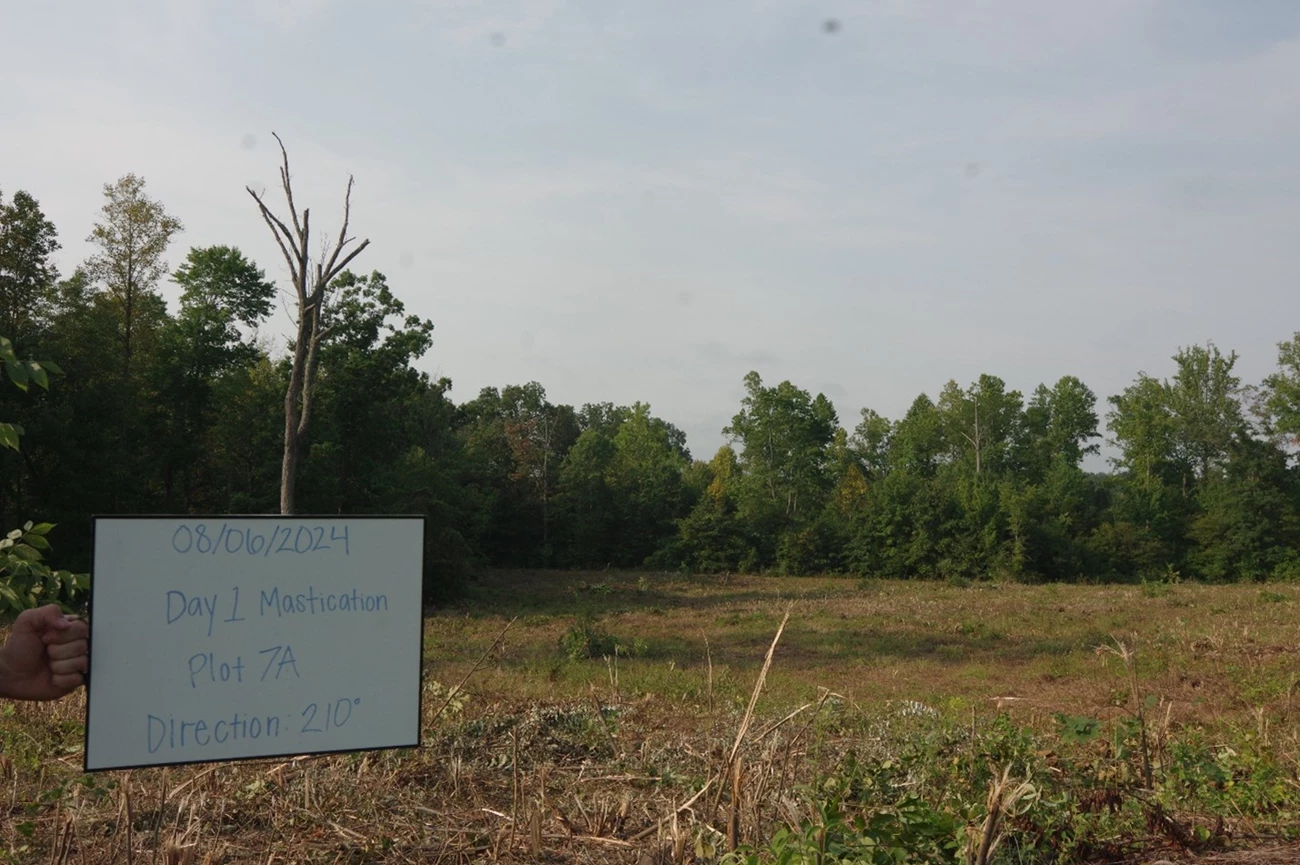
Dense shrubs (Left/Before) blocking historic views (Right/After) of the Deep Cut landscape at Manassas National Battlefield Park.
Invasive Plant Management
Opening Brawner and Deep Cut fields has also helped reduce the spread of invasive species in the forests surrounding the fields. The freshly cut areas helped to increase navigable pathways through the heart of the infestations. The woody vines of wisteria were no match! Now with clearer access, park staff and partners are able to better reduce the invasive plant species, so the wisteria does not further suffocate the trees. This is a new method for invasive plant control and the park is excited to use it for woody invasive plants in other park areas.

Wildland firefighters manage a prescribed fire at Manassas in April 2018 NPS/Nathan King
Prescribed Fire
Manassas is also planning future burns in both fields to prevent regrowth of trees and woody plants and return nutrients to the soil. Afterward, the park will continue photo-monitoring in the fields, seeding to compete against woody species and promote pollinator presence, and using spot herbicide treatments to knock back woody regrowth.
With a Little Help from Our Friends
Work on both areas could not have been completed without the assistance of regional fire management staff, who coordinated the personnel and funding for each of the mastication operations. Thanks also to Manassas park staff, crew members from Delaware Water Gap and neighboring park staff, as well as regional staff for helping us in this ongoing effort to restore the views at Manassas for all to enjoy!
Where this belongs
- Manassas National Battlefield Park
Where this page came from
This page was imported from National Park Service. Produced by the U.S. National Park Service and, as a work of the United States government, in the public domain.
Nobody has written it yet — it is the source material at a new address, which is why search engines are asked to skip it and why no one earns from it. It is up for grabs: take it on, and it is yours to rewrite and to earn from.
I dessa samlingarManassas National Battlefield Park
Licens: CC0 1.0 (allmän egendom) · Bearbetat efter www.nps.gov
1
0
0
0

Kommentarer
Läs härnäst


