
Vill du förbättra sidans innehåll? Föreslå en ändring.
From 1914 to 1920, Joseph and Rose Kennedy lived at 83 Beals Street in Brookline, Massachusetts — the house where John F. Kennedy was born — with two live-in maids. Rose Kennedy later wrote about her household help, describing a maid of all work who cooked, served, cleaned and did laundry, and a hospital-trained nursemaid added once the babies came. But she never named them. National Park Service researchers set out to find out who they were.
Found in the census
The 1920 U.S. census lists two servants living with the Kennedys: Mary O’Donahue and Alice Michelin, with their ages and birthplaces. There is no record of how long they served, or whether they were the family’s first maids.

The 1920 census record for 83 Beals Street, Brookline. U.S. Census Bureau.
Alice Michelin (1892–1945), nursemaid
In 1911, at 18, Alice Michelin sailed from France to New York, passed through Ellis Island, and joined her brother in Boston. She was trained as a nursemaid or governess — which is how researchers identified her role with the Kennedys. In 1920 she left their service to visit family in France for a year, then worked as a nursemaid for other Boston families; one child she later cared for remembered her as a dear, bright and pleasant person.
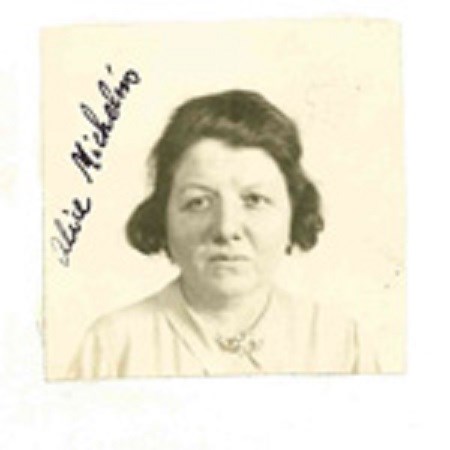
Alice Michelin, from the papers for her 1943 naturalization as a U.S. citizen. National Archives at Boston.
Mary O’Donahue (born 1887), maid of all work
Mary was one of many young Irish immigrants who went into domestic service. She came to the United States around 1908 and soon worked as a maid for a family in Quincy, Massachusetts. Rose Kennedy recalled that when she moved to Beals Street, a friend sent her own maid — a cheerful, tidy Irish girl who cooked, served and made the beds. Was that Mary, or someone before her? No one knows how long Mary stayed, and no photograph of her has been found. By the 1930 census she could not be traced — perhaps she married, or returned to Ireland.
Life in service
Each woman had her own attic bedroom — fairly roomy, with closets and windows, but stifling in summer. Like most servants, they spent little time there.
Domestic service was common in middle-class homes in the late nineteenth and early twentieth centuries, but times were changing: on Beals Street, households with live-in servants fell from 70% in 1910 to 20% in 1920, following national trends, as smaller homes, more prepared foods and new lifestyles reduced demand. The Kennedys went the other way; as their family and fortune grew, they added more maids, a governess and a chauffeur.
For young, single immigrant women, service was an accessible job — in high demand because many native-born Americans saw it as low-status. It was lonely, demanding work with long hours and little freedom, but it paid decently, came with a roof, and let women learn skills and save money.
The nursemaid provided vital help in a time before disposable diapers and ready-made formula. Many trained for several months in hospital programs, learning baby care, basic first aid, food preparation and nursery housekeeping. A typical salary was about $6 a week; Alice had every other Sunday off, standard for the job. She changed and washed diapers, mended clothes, made baby food, took the children for walks, bathed them and put them to bed. Rose Kennedy remembered years of diapers on the backyard lines, frozen stiff in winter, and radiators draped in drying white.
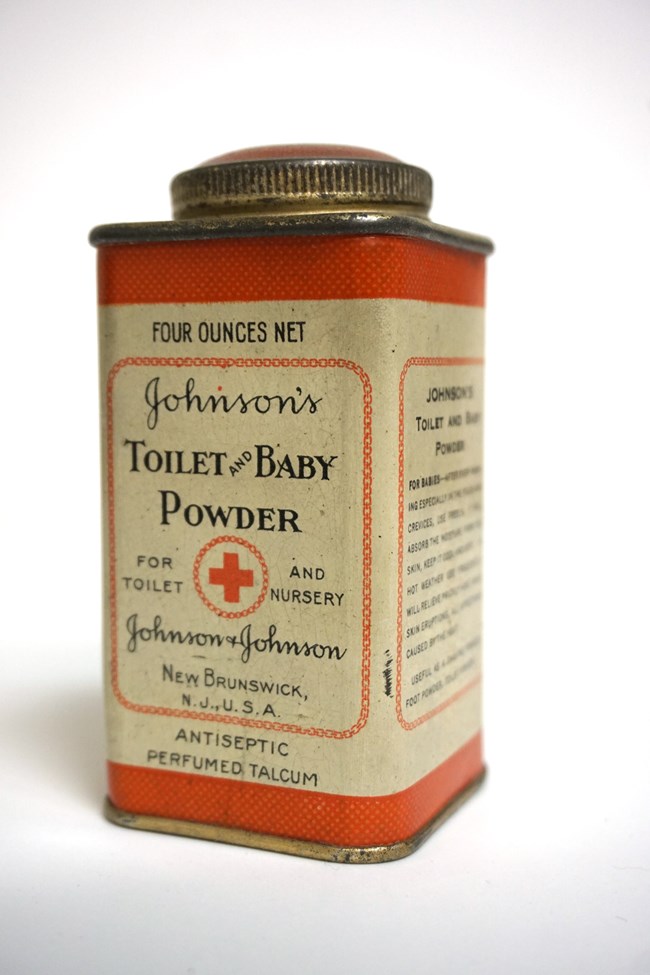
A tin of baby powder in the nursery at John Fitzgerald Kennedy National Historic Site. NPS.
The maid of all work did a bit of everything. Rose Kennedy wrote that she paid her maid of all work $7.00 a week, slightly above the going rate. The work ran from dawn to dusk: baking bread, mixing cakes by hand, chopping vegetables for soup, washing dishes, cleaning, ironing and polishing silver. A laundress came twice a week for the heavy washing. New kitchen technology — an electric toaster and a gas-and-coal range — made cooking and cleanup quicker. Time off was an afternoon a week and every other Sunday.
Rose Kennedy managed rather than did the housework, skills she had learned in school domestic science classes. She set schedules, settled disputes between staff — such as nursemaids sterilizing bottles and pureeing baby food while the cook needed the stove — and tried to be home in the evenings to read to the children while the nursemaid ate dinner.
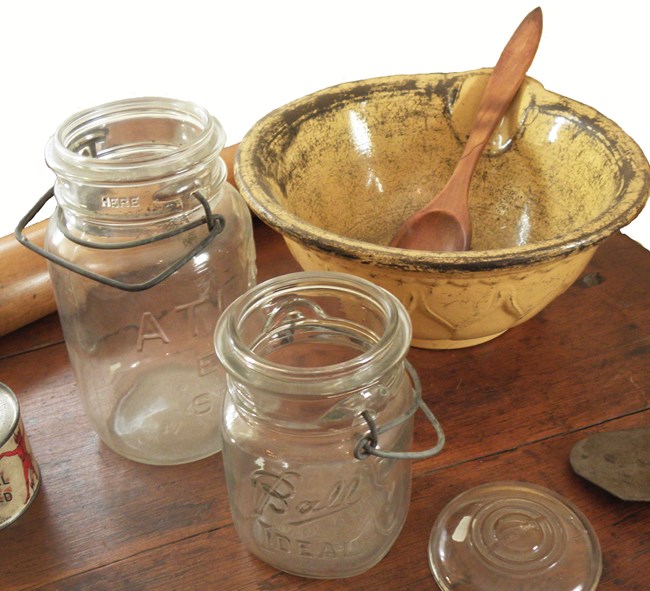
Kitchen objects like those Mary would have used, at John Fitzgerald Kennedy National Historic Site. NPS photo.
Why their story matters
The Kennedys’ rise is often told as the American Dream on a grand scale. Alice and Mary’s work eased the burdens of housework and child care that made that rise possible, and the Kennedy children likely grew close to them. Their story adds another layer to the history of 83 Beals Street.
Sources
Based on "The Kennedy Family Maids of 83 Beals Street, Brookline, Massachusetts," National Park Service (John Fitzgerald Kennedy National Historic Site); a work of the United States government in the public domain, with Rose Kennedy’s memoir and 1967 interview rewritten in hubnx’s own words. The source says Mrs. Kennedy never named her maids but later says she wrote that she paid Mary O’Donahue $7 a week; the page attributes the wage to her maid of all work without naming her.
I dessa samlingarJohn Fitzgerald Kennedy National Historic Site
Licens: CC0 1.0 (allmän egendom) · Bearbetat efter www.nps.gov
1
0
0
0

Kommentarer


