Ser du något att förbättra? Föreslå en ändring.
At dawn on August 9, 1877, U.S. troops and civilian volunteers from the Bitterroot Valley surprised the Nez Perce camped at Big Hole during the Nez Perce flight of 1877. The warrior Wahlitits (wá·laytic, Shore Crossing) and his wife ran from their tipi near the river and took cover in a hollow behind a small log. He told her to go and hide; she stayed beside him. After killing a soldier, Wahlitits was shot dead. His wife, badly wounded and pregnant, picked up his rifle and killed the soldier who had shot her husband, and then she too was killed.
Interview with Allen Pinkham, páax̣at háykatin (Five Rays of Light), Nez Perce. NPS.
That moment is the subject of a painting, Death of Wahlitits and His Wife, by Larry Milligan, who gave it to the Big Hole National Battlefield visitor center in 1972, writing that the incident stayed with him. The wife's expression in the painting is hard to read — surprise, anger, grief, exhaustion, pain — and all of them fit, both the moment and what her people, the nimípu (the Real People), were living through: the relentless loss of their homelands to white settlers and the U.S. government. Like so many women in history, she is nameless. But her story, handed down for generations by nimípu storytellers and tribal historians, gives her a face and a voice, if not a name.
Losing a homeland
Wahlitits' wife was one of 800 Nez Perce who left their homes in central Idaho, northeastern Oregon and southeastern Washington in the summer of 1877, seeking asylum in Canada. Before white settlement and the treaty of 1855, the nimípu homeland covered 7.5 million acres of the inland Pacific Northwest. After gold was found on the reservation, the treaty of 1863, signed by only some tribal leaders, cut the reservation to a tenth of its original size.
When the government forced the bands that had not signed onto the small reservation, violence followed and then war. Yellow Wolf, a warrior who shared his memories of the war decades later, said his people had caused no trouble even as settlers killed them — until they were to be confined to one small place and their home country taken from them.
The group that fled included whole bands — women, children and elders as well as warriors — and their flight was extraordinary. Moving on to a new home is a celebrated part of the American story, but for the nimípu nothing could hurt more than leaving their homeland; as far back as memory reached, identity and place were one. That is why, after the flight, both those captured before reaching Canada and those who found asylum there fought relentlessly to go home. Tribal storyteller Allen Pinkham, páax̣at háykatin (Five Rays of Light), holds that his people have been in their homeland since time immemorial, longer than any date archeologists have assigned.
Women in the flight
Most accounts describe Wahlitits' wife as the only woman known to have fired a weapon at Big Hole. Pinkham stresses that she was not alone: many nimípu women were committed to the flight and to defending their families. Women did not usually fight, but across the 1,170 miles of the flight they set up and ran the camps, cooked, gathered wood, made clothing and gave birth; they nursed the wounded and carried ammunition and water to the men in battle. They knew how to fire a gun out of necessity, Pinkham explains, and made unthinkable sacrifices so their people would survive.

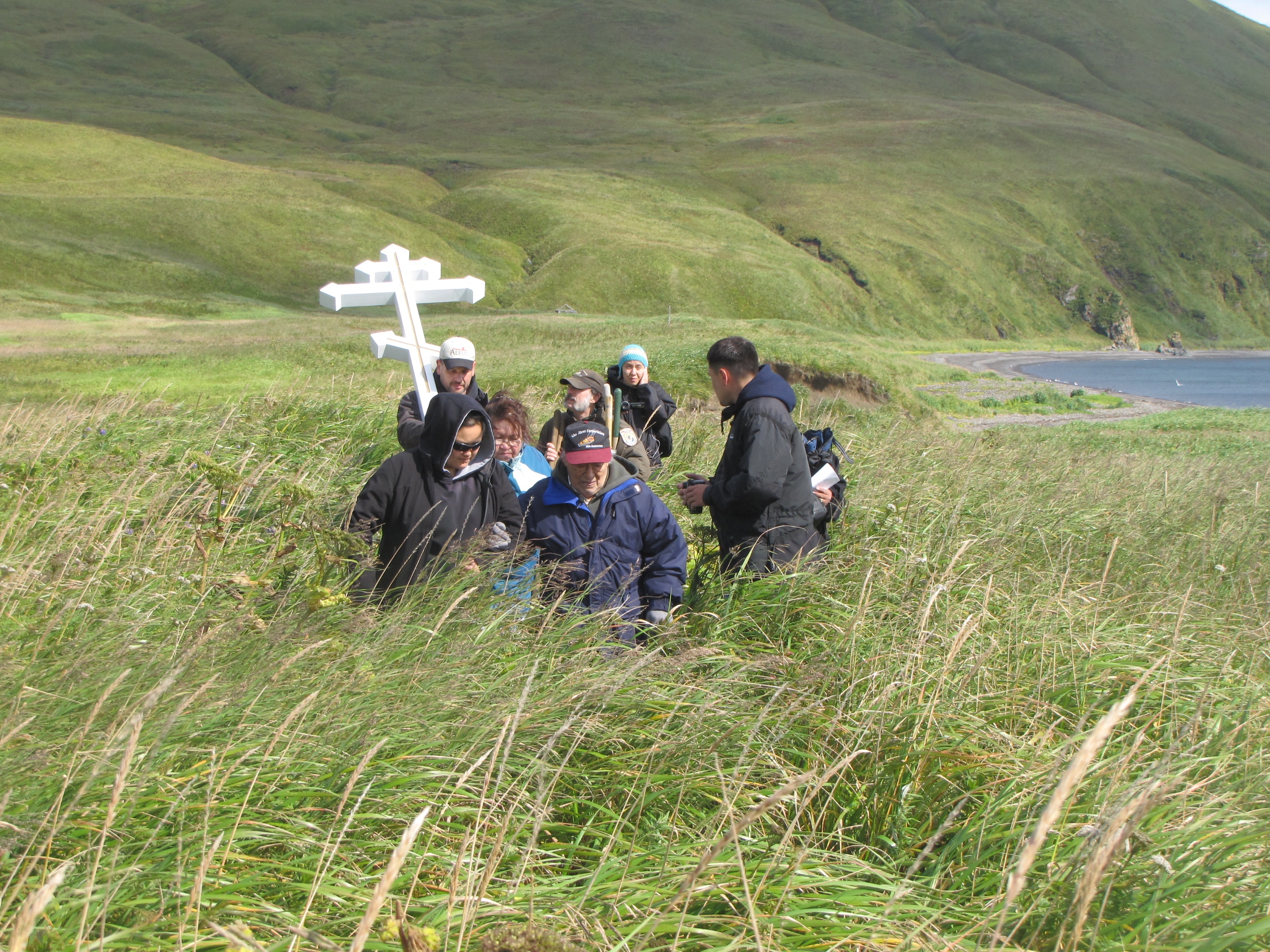
The river at Big Hole, near where Wahlitits and his wife camped. Its willow thickets both hid people and trapped them. National Park Service photo.
In the dawn attack, soldiers killed women and children indiscriminately. Survivors on both sides described women and babies shot, crushed and burned. One woman, Penahwenonmi (Helping Another), recalled decades later hiding in the willows with a little girl under her arm as bullets clipped twigs down on them like rain, and the girl was killed there, under her arm.
Remembering
For many women, the memories of 1877 were too harrowing to tell, and some nimípu, having lost family and home, chose to put the history behind them. Pinkham says his father taught him to listen to these stories so they would not be repeated: knowing your history can steer what happens next in a better direction, so that no one dies. For him, the central lesson of Wahlitits and his wife is the injustice of the war — no war is just, he says, if you take what does not belong to you. Yellow Wolf said much the same more than fifty years after 1877: war is made to take what is not yours.
No one knows what Wahlitits' wife was thinking when she picked up his rifle. What is known is that her homeland, and with it her identity, was at stake.
Sources
- National Park Service, Big Hole National Battlefield: "Death of Wahlitits and His Wife," by Nicole Martin, part of the Home and Homelands exhibition. It draws on an interview with Allen Pinkham (2024), Lucullus Virgil McWhorter's Yellow Wolf: His Own Story (1940), and Elliott West's The Last Indian War (2009). The words of Yellow Wolf, Penahwenonmi, Allen Pinkham and Larry Milligan are paraphrased.
- The source spells Wahlitits "Walhatits" once; it is corrected here. Larry Milligan's painting is not reproduced.
- Words on this page from people and organisations outside the federal government are paraphrased; rewritten in hubnx's own words.
- The film is the National Park Service's own file, from the source page.
I dessa publikationerHome and Homelands Exhibition: LossBig Hole National Battlefield
Licens: CC0 1.0 (allmän egendom) · Bearbetat efter www.nps.gov
1
0
0
0

Kommentarer