উন্নত করার কিছু দেখছেন? একটি পরিবর্তন প্রস্তাব করুন।
এই পাতাটি সর্বজনীন।
|
The Devonshire Manuscript facsimile 26r (Image: DMSEG, CC BY-SA 3.0) |
| --- |
| 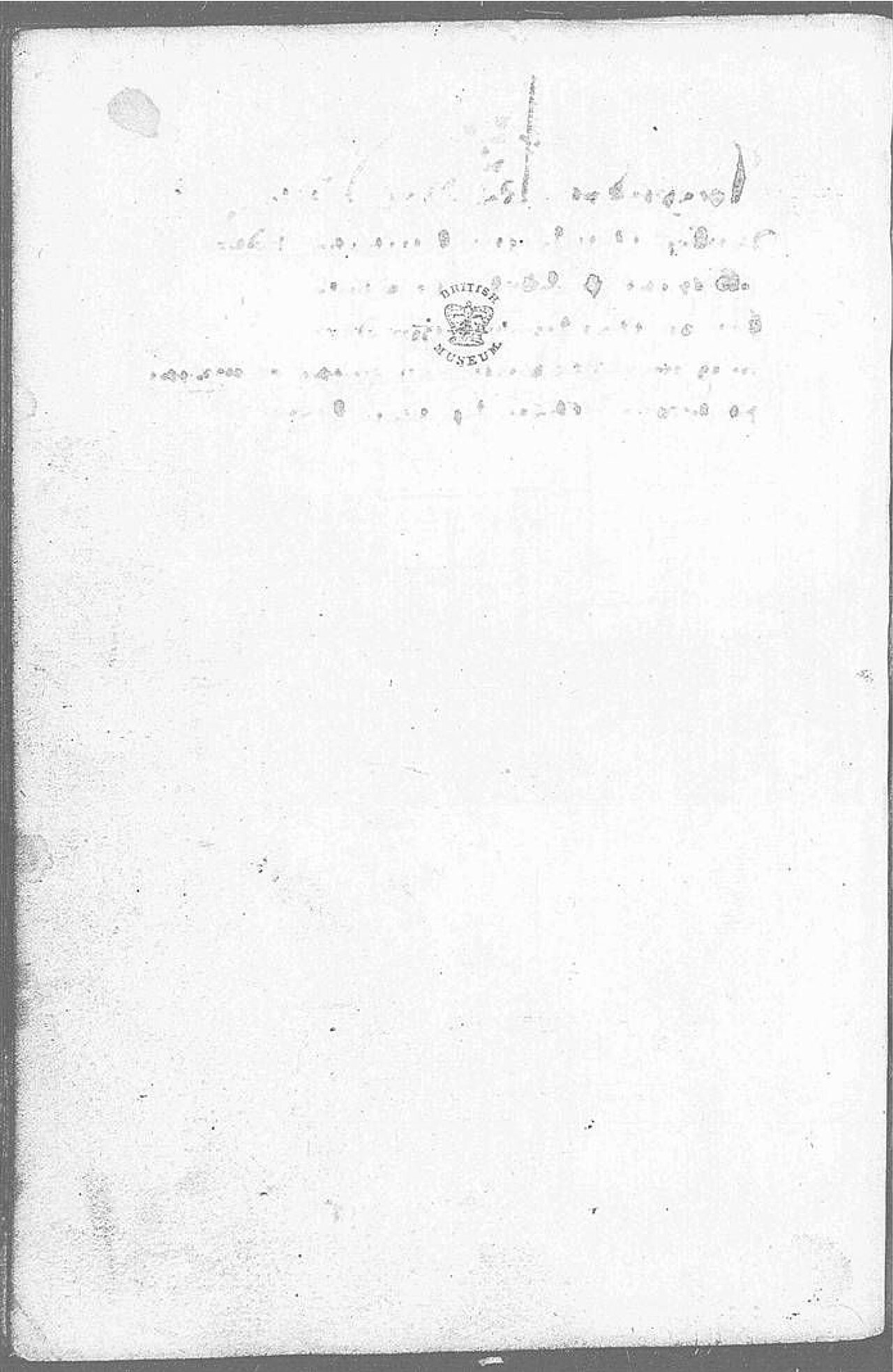
The Devonshire Manuscript facsimile 25v (Image: DMSEG, CC BY-SA 3.0) |
| |
f. [25v]
f. [26r]
1 Now may I morne as one off late
2 Dryuen by force from y my delyte
3 and can not se my louely mate
4 th to whom for ever my hart ys plyte
5 Alas that euer pryson stronge
6 sholde such too louers seperate
7 yet thowgh ower bodys suffereth wronge
8 ower harts shalbe off one estate
9 I wyll not swerue I yow Insure
10 for gold nor yet for worldly fere
11 but lyke as yerne I wyll Indure
12 suche faythful loue to yow I bere
13 Thus fare ye well to me most dere
14 off all the world both most and lest
15 I pray yow be off ryght good chere
16 and thynke on me that louys yow best
17 and I wyll promyse yow agayne
18 to thynke off yow I wyll not lett1
19 for nothyng cowld relesse my payne
20 but to thynke on yow my louer swete
finis
Notes & Glosses
- This use of "let" is similar to that in Henry VIII's "Pastyme with good company."
Commentary
Attributed to Lord Thomas Howard,1] the poem was entered by [TH2. Typical of courtly love literature, the speaker emphasizes the pain that occurs when lovers are separated from each other.
Works Cited
Where this page came from
This page was imported from Wikibooks. From “The Devonshire Manuscript” on Wikibooks, by its contributors, under CC BY-SA 4.0. Changed here: set as a page; navigation and edit links left out; each image under its own licence, credited in its caption.
Nobody has written it yet — it is the source material at a new address, which is why search engines are asked to skip it and why no one earns from it. It is up for grabs: take it on, and it is yours to rewrite and to earn from.
যে প্রকাশনাগুলোতে আছেThe Devonshire Manuscript
লাইসেন্স: CC BY-SA 4.0 · গৃহীত হয়েছে en.wikibooks.org
মন্তব্য