
Frogs and other amphibians may not be the first wildlife people think of in national parks, but they are highly sensitive to environmental change, so where they live — and how many there are — says a lot about an ecosystem's health.
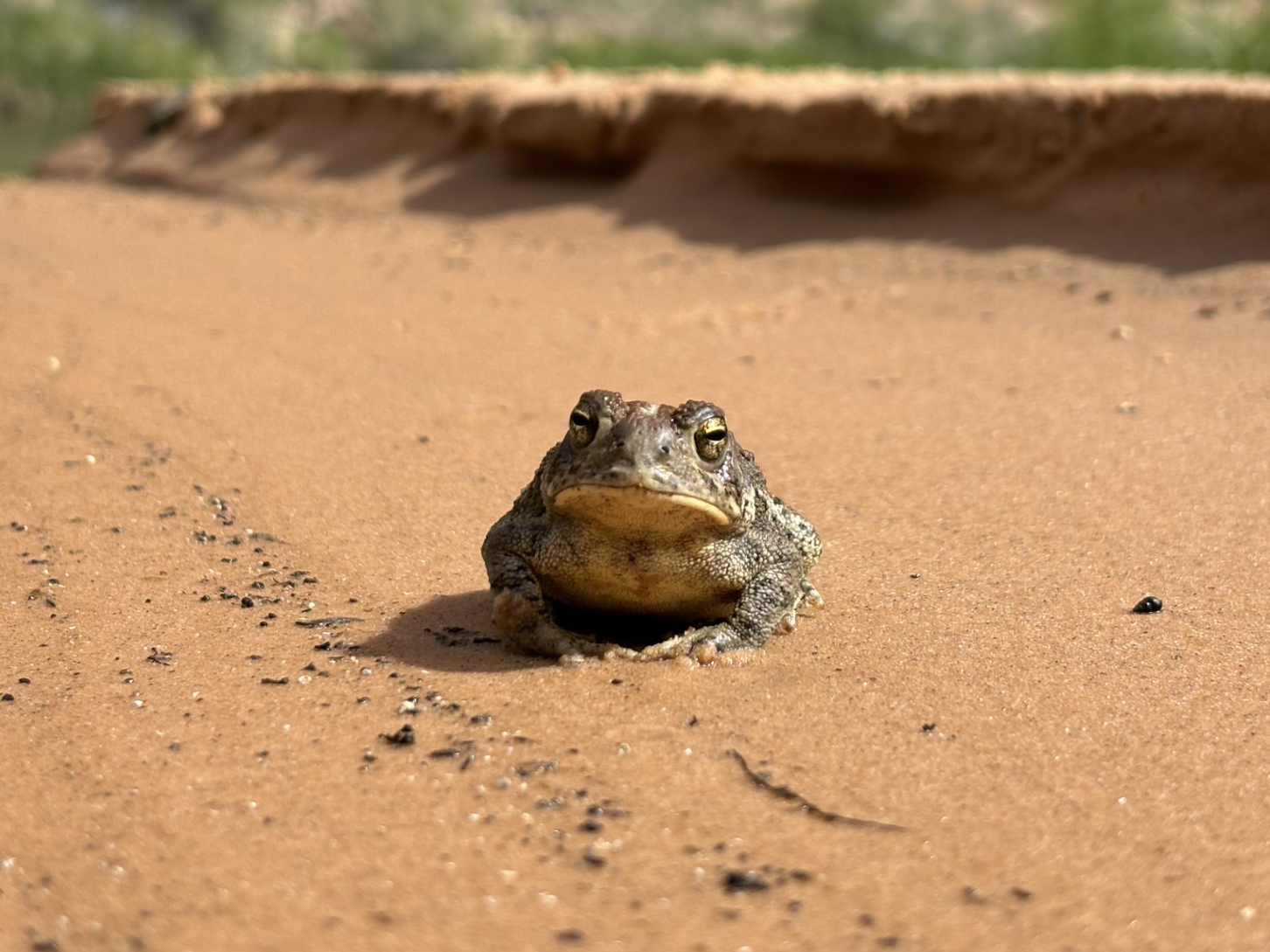
Woodhouse's toad, Glen Canyon National Recreation Area. Image from the National Park Service's article on the amphibian database.
Why it matters
- According to the International Union for Conservation of Nature, 35% of North American amphibian species are vulnerable in at least part of their range.
- U.S. amphibian populations are declining by about 4% a year on average.
- Yet National Park Service lands, just 3.5% of the country, support 65% of U.S. amphibian species.
That makes amphibians a high conservation priority for park managers — and managers first need to know which species are where.
Updating the list
The main source is NPSpecies, the Park Service's public web tool on species in the parks. But species lists go stale: many parks' amphibian lists hadn't caught up with recent sightings or changes in scientific names. Ecologists from the Park Service's Inventory & Monitoring Division and the U.S. Geological Survey, working with amphibian experts nationwide, combed through old and new park records to update them.
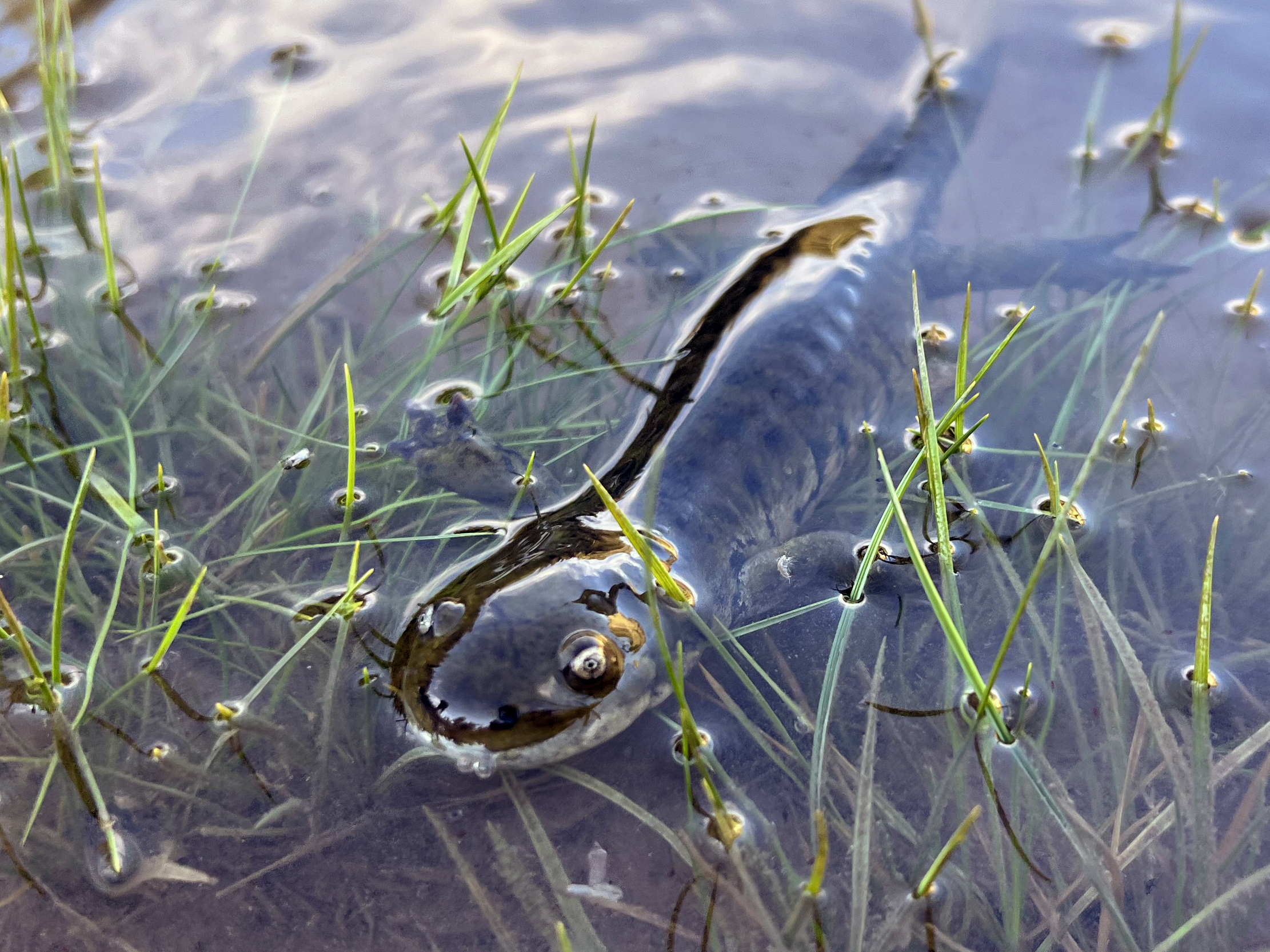
Western tiger salamander, Teton Range, Wyoming. Image from the National Park Service's article on the amphibian database.
What the database shows
| Park units with records | 292 of 424 |
| Amphibian species present in parks | 230 — 65% of the 354 U.S. species |
| Southeast | 40 frog and toad species and 96 salamander species |
| Blue Ridge Parkway | 46 species, including 5 salamander families and 19 species of Desmognathus alone |
| Yellowstone National Park | 5 species, despite covering 3,468 square miles |
| Southwest | Highest share of at-risk species, about 25% (near threatened, vulnerable or endangered) |
Each record includes current names, international and state conservation rankings, a link to a supporting reference and notes. Parks in the Southeast and Northeast, where salamanders outnumber frogs and toads, had the most species. The Blue Ridge Parkway runs 470 miles along the Blue Ridge Mountains between Shenandoah and Great Smoky Mountains national parks; beyond its 46 confirmed species, five more may be present and two occur nearby.
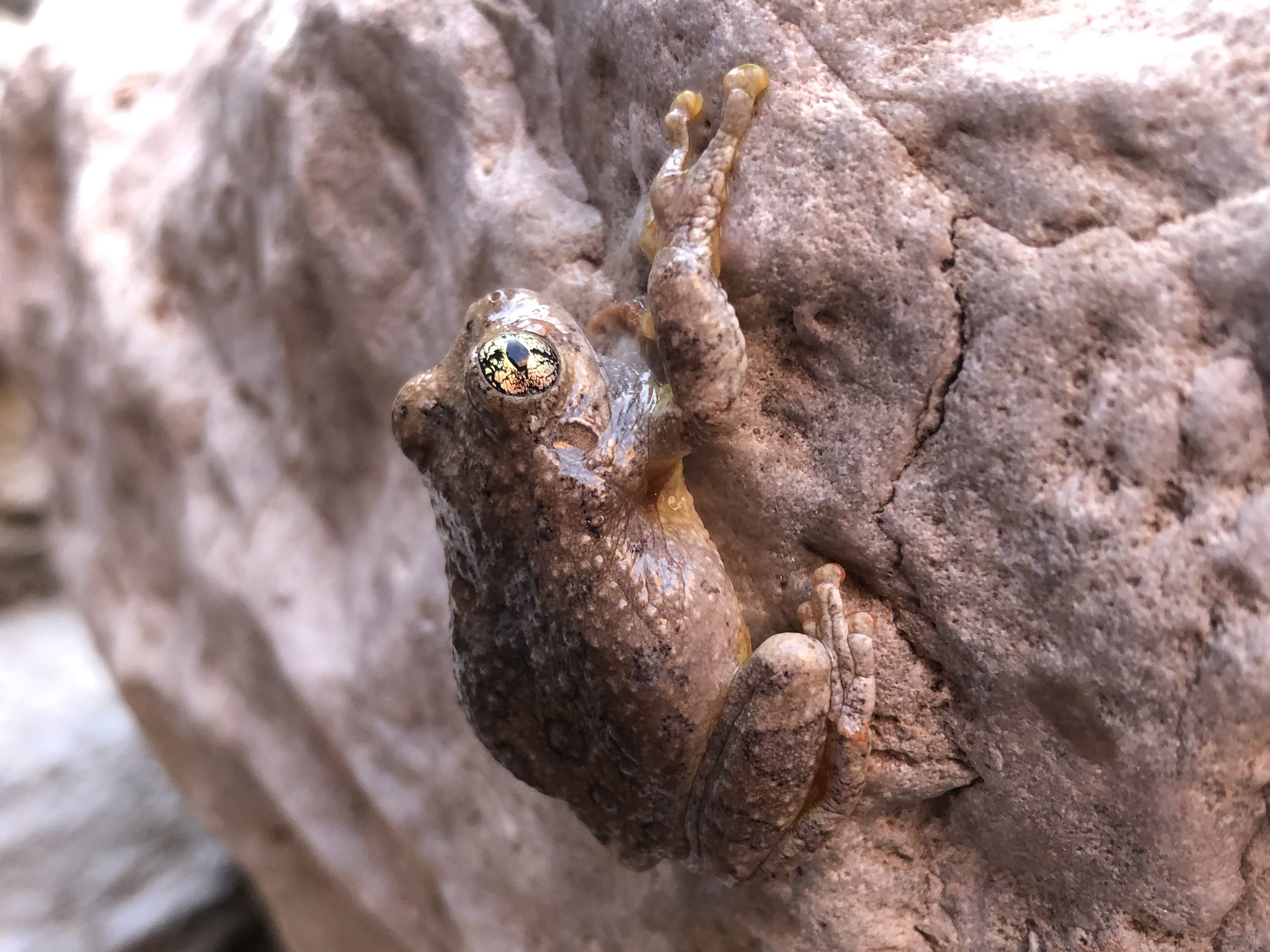
Canyon tree frog, Grand Canyon National Park. Image from the National Park Service's article on the amphibian database.
Putting it to use
With an up-to-date list, parks can:
- judge how common or rare each species is;
- identify the main threats, such as climate change and invasive species;
- weigh the conservation value of protecting more habitat inside or outside park boundaries;
- check which species a wetland project could affect;
- pick target species for environmental DNA and other surveys;
- take the first step in assessing climate vulnerability.
It can mean the difference between acting for an at-risk species and overlooking it, and it offers a model for doing the same for other groups of plants and animals.
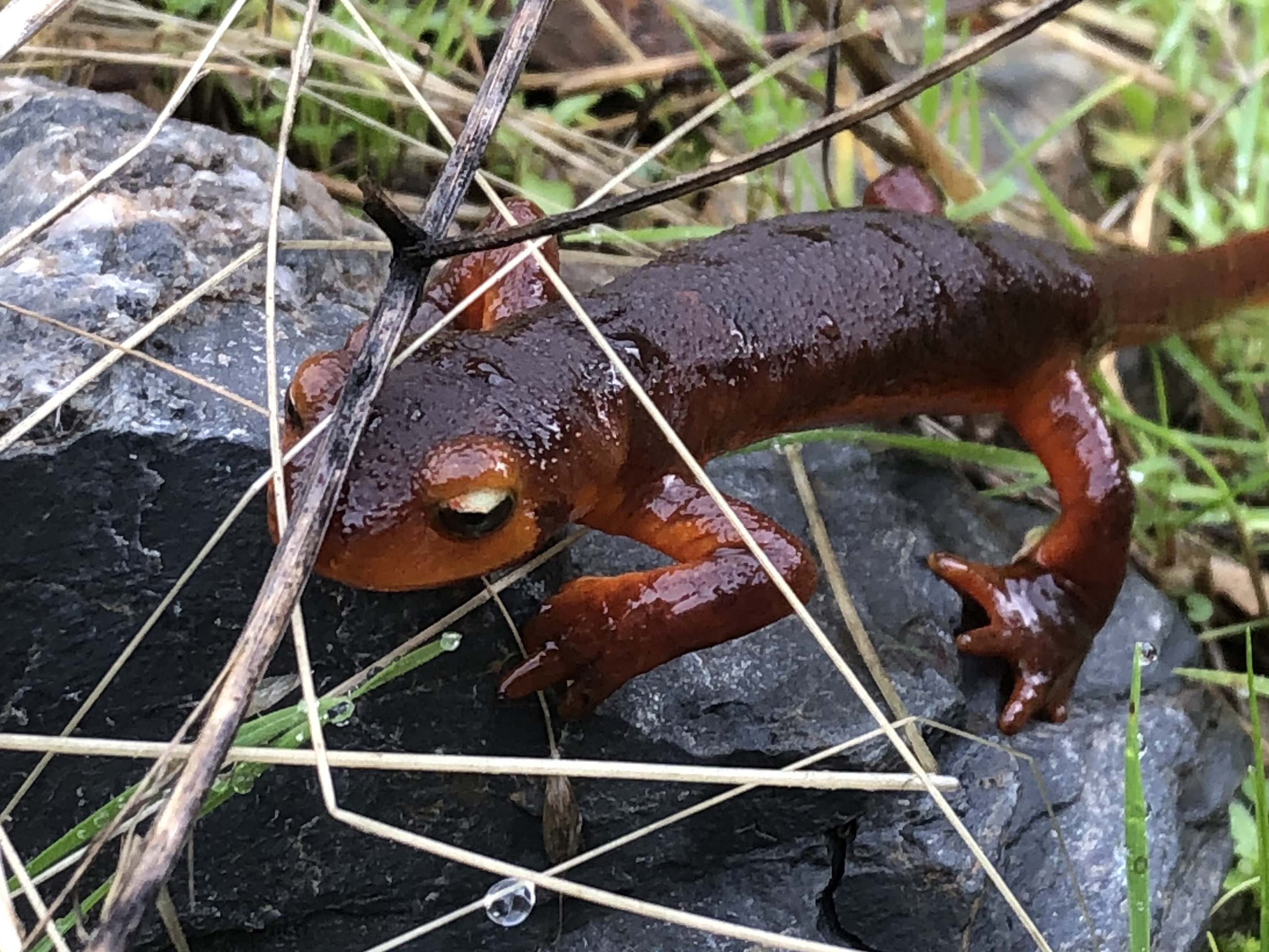
Sierra newt, Yosemite National Park. Image from the National Park Service's article on the amphibian database.
The dataset is described in "A Dataset of Amphibian Species in US National Parks," by B.J. LaFrance, A.M. Ray, R.N. Fisher and others, in Scientific Data (2024).
Sources
Based on "Updated Species Database Will Help Boost Amphibian Conservation Across the National Park System," Inventory & Monitoring Division, National Park Service; a work of the United States government in the public domain.
收录于这些专栏Hot Springs National ParkHopewell Furnace National Historic SiteHopewell Culture National Historical Park
许可协议: CC0 1.0(公有领域) · 改编自 www.nps.gov
1
0
0
0

留言


